
Views: 0 Author: Site Editor Publish Time: 2026-01-21 Origin: Site


Have you ever wondered how a bus air conditioner stays reliable throughout long, hot journeys? Without proper care, it can quickly become inefficient, driving up costs and reducing its lifespan.
In this article, we’ll cover 10 essential maintenance tips that will help keep your bus air conditioner running smoothly. By following these steps, bus operators can ensure optimal performance, save on repairs, and provide passengers with a consistently comfortable ride.
Neglecting the regular maintenance of your bus air conditioner can result in a range of problems that not only affect the efficiency of the system but also lead to costly repairs and potentially shorten the lifespan of the unit. When the system is not maintained, it can experience reduced cooling efficiency, which forces the air conditioner to work harder to achieve the desired temperature. This increases energy consumption, making the system less cost-effective, and over time, the increased strain on the components can lead to premature wear and failure. Additionally, neglecting maintenance can cause frequent breakdowns, disrupting operations and resulting in unexpected downtimes that affect the service quality for passengers. Such disruptions can lead to negative feedback, affecting the reputation of the service provider.
Another consequence of neglecting regular maintenance is the increased repair costs that arise when problems are not detected early. A bus air conditioning unit that is not serviced regularly can experience serious issues such as compressor failure or refrigerant leaks, both of which are expensive to repair. Timely maintenance not only prevents these problems but also helps maintain the efficiency and performance of the system for a longer period.
Routine maintenance plays a critical role in preventing costly repairs and ensuring the longevity of the air conditioning system. By conducting regular checks, small issues can be caught before they turn into major problems that require expensive repairs. For instance, something as simple as cleaning or replacing the air filters can prevent airflow restrictions and cooling inefficiencies, thereby reducing the risk of more significant damage to the system. Additionally, energy efficiency improves as the air conditioner operates at peak performance, resulting in lower energy consumption and reduced operating costs. This leads to long-term savings, as the system works optimally without consuming excess power or requiring costly repairs.
Furthermore, a properly maintained air conditioning system is likely to last longer than one that is neglected. By investing in regular maintenance, bus operators can maximize the lifespan of their TCHAIN bus air conditioners, ensuring reliable service over many years. For TCHAIN’s products, which are specifically designed to be energy-efficient and durable, regular servicing ensures that their high-performance capabilities are fully realized.
The comfort of passengers is a priority for any transportation company, and the bus air conditioner plays a crucial role in ensuring a pleasant travel experience, especially in hot climates or on long trips. A well-maintained air conditioning system provides consistent cooling, which is essential for maintaining a comfortable environment inside the bus. If the air conditioning system is not regularly serviced, passengers may experience inconsistent temperatures, discomfort, and even increased humidity levels. These factors can lead to dissatisfaction among passengers, potentially impacting ridership and the overall reputation of the bus company.
TCHAIN’s bus air conditioners, specifically designed for buses ranging from 6 to 14 meters, offer reliable cooling solutions that cater to various bus sizes and types. By ensuring that these units are properly maintained, bus operators can guarantee a comfortable and enjoyable journey for passengers, helping to enhance the customer experience and ultimately increase customer loyalty.
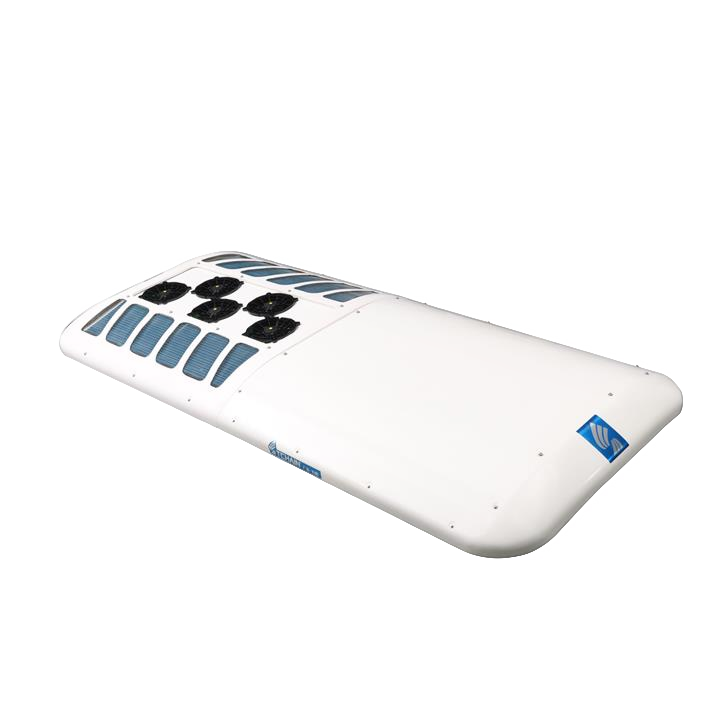
● Bus air conditioning categories
System Type |
Description |
Ideal Use Case |
Mounted on the roof for easy installation and maintenance. |
Ideal for large buses and fleets with high cooling demands. |
|
Integrated into the bus structure, offering sleek design and space-saving features. |
Best for smaller buses or those with limited roof space. |
|
Designed to ensure even airflow distribution across two levels. |
Perfect for double-decker buses with high passenger capacity. |
|
Specifically designed for electric buses, offering energy-efficient cooling solutions. |
Essential for eco-friendly fleets transitioning to electric vehicles. |
To provide a clearer understanding of each of the 10 maintenance tips, we've summarized them in a table format, which outlines the maintenance actions, signs to watch for, and the benefits of each tip. This will serve as a practical guide for bus operators to follow and apply during regular check-ups.
Tip |
Maintenance Action |
Signs to Watch For |
Benefits |
Tip 1: Regularly Replace or Clean the Air Filters |
Clean or replace air filters every 1-3 months depending on usage and environment. |
Clogged filters, reduced airflow, inefficient cooling. |
Prevents airflow restrictions, reduces energy consumption, and avoids system breakdowns. |
Tip 2: Inspect and Clean the Evaporator Coils |
Clean coils regularly using a soft brush or compressed air. If needed, use coil cleaner following the manufacturer's guidelines. |
Poor cooling, higher energy consumption, ice buildup. |
Maintains efficient heat exchange, prevents energy wastage, and reduces the risk of repairs. |
Tip 3: Ensure Proper Refrigerant Levels |
Check refrigerant levels regularly and top up as necessary by a professional. |
Reduced cooling efficiency, extended cooling times, ice buildup. |
Ensures optimal cooling performance, prevents compressor damage, and saves on repair costs. |
Tip 4: Inspect and Maintain the Condenser Coils |
Clean the condenser coils with a mild detergent and soft cloth. |
Poor cooling, unusual noises, increased energy consumption. |
Maintains heat release efficiency, reduces overheating risks, and improves system longevity. |
Tip 5: Check and Maintain the Blower Fan |
Inspect and clean fan blades regularly; lubricate the motor as needed. |
Uneven cooling, strange noises from the fan, or insufficient airflow. |
Ensures even cooling distribution, reduces strain on the A/C system, and maintains airflow efficiency. |
Tip 6: Monitor and Adjust the Thermostat Settings |
Calibrate the thermostat by comparing internal temperature to the reading. |
Inaccurate temperature readings. |
Prevents energy waste and discomfort, ensures consistent passenger comfort. |
Tip 7: Maintain the A/C Drain Line |
Regularly check and clear the drain line using a vacuum or a mild cleaning solution. |
Moisture buildup, water damage, mold growth. |
Prevents moisture accumulation, ensures system hygiene, and avoids mold development. |
Tip 8: Conduct Regular Professional Inspections |
Have a certified technician inspect the system regularly to identify and address issues. |
Unusual noises, reduced performance, or system failure. |
Detects hidden issues early, extends system lifespan, and improves overall system reliability. |
Tip 9: Check the Ductwork for Leaks and Insulation |
Inspect ducts for leaks and signs of wear. Insulate and seal any leaks. |
Inconsistent cooling, excessive energy consumption. |
Improves air distribution efficiency and reduces energy costs by ensuring proper insulation and sealing. |
Tip 10: Keep the Unit Clean and Free from Obstructions |
Regularly clean air vents and ensure there are no blockages affecting airflow. |
Restricted airflow, dirty vents, or dust buildup. |
Maximizes system efficiency, reduces wear on components, and ensures consistent cooling. |
Proper maintenance of the bus air conditioner significantly improves energy efficiency. Regular cleaning of components such as air filters and coils can reduce the system’s energy consumption by as much as 30%. This reduction in energy usage leads to lower fuel costs for bus operators and reduces the carbon footprint, aligning with green initiatives and sustainability goals for the transportation industry.
Regular maintenance also prevents major breakdowns that would otherwise necessitate expensive repairs or a full system replacement. By taking care of small issues early on, bus operators can avoid the high costs of emergency repairs or premature system replacements. For example, a faulty fan motor or a refrigerant leak can be resolved during routine maintenance before they cause further damage, extending the life of the air conditioning unit and improving the return on investment.
Many bus operators believe that they only need to service the air conditioning system when they notice problems, such as reduced cooling or unusual noises. However, regular maintenance is preventive, ensuring that the system operates at peak performance and avoiding unexpected breakdowns. Proactive maintenance can catch issues before they cause costly damage.
While basic maintenance tasks like cleaning filters can be done by bus operators, more complex components, such as refrigerant levels and evaporator coils, should be handled by professionals. These components require specialized knowledge and equipment, and improperly servicing them can cause further damage to the system.
While performing routine maintenance in-house is important, partnering with a professional service provider can provide several additional benefits. A certified technician brings expert knowledge, specialized equipment, and a thorough understanding of the intricacies of your bus air conditioner. They can perform detailed inspections, identify potential problems, and resolve issues before they lead to major breakdowns.
By having a professional service provider conduct regular inspections, you can also receive insights into optimizing your cooling system for better performance, improved efficiency, and increased reliability. This not only improves the lifespan of your bus air conditioner but also gives you peace of mind that your system is being properly cared for by experts.
In conclusion, regular maintenance is essential for extending the lifespan and optimizing the performance of your bus air conditioner. By following these 10 essential tips, bus operators can reduce the likelihood of costly repairs, improve energy efficiency, and enhance passenger comfort, ultimately saving money in the long term.TCHAIN is committed to providing high-quality, energy-efficient bus air conditioners designed for durability and reliability. By integrating these maintenance practices into your service routine, you can guarantee the longevity and reliability of your TCHAIN air conditioner, keeping passengers comfortable and ensuring operational success for years to come.
A: A Bus Air Conditioner is a climate control system designed specifically for buses, providing cooling and comfort for passengers during travel, particularly in hot climates or long trips.
A: Regular maintenance of a Bus Air Conditioner ensures optimal performance, improves energy efficiency, and extends its lifespan by addressing small issues before they lead to expensive repairs or system failures.
A: Air filters in a Bus Air Conditioner should be cleaned or replaced every 1-3 months, depending on usage. Buses operating in dusty areas or with high passenger volume may require more frequent maintenance.
A: To maintain the evaporator coils in your Bus Air Conditioner, clean them with a soft brush or compressed air to remove dirt and debris. If needed, apply a coil cleaner as per the manufacturer's instructions.
A: Signs that your Bus Air Conditioner may need refrigerant include reduced cooling efficiency, longer cooling times, and the formation of ice on the evaporator coils.


