
丨
Phone: +86-139-2823-3177
Views: 0 Author: Site Editor Publish Time: 2026-03-26 Origin: Site


Breakdowns in commercial bus air conditioning systems rarely happen overnight. In many cases, small maintenance issues accumulate gradually until they turn into serious failures that disrupt operations. For fleets operating passenger transport vehicles every day, preventing these problems is far more efficient than repairing them after they occur. Proper care of a rooftop bus air conditioner helps maintain stable cooling performance, protects equipment lifespan, and reduces unexpected service interruptions.
FOSHAN SHUNDE TAICHANG VEHICLE TECHNOLOGY CO., LTD., known internationally as TCHAIN Co., Ltd., has been manufacturing bus air conditioning systems since 1987. With more than 36 years of experience in vehicle climate control technology, the company designs rooftop HVAC solutions for city buses, coaches, and shuttle vehicles used around the world. Understanding how to maintain these systems properly allows fleet operators to keep their buses running smoothly while ensuring passengers experience reliable cabin comfort during every journey.
When a bus air conditioning system fails during service, the consequences extend beyond passenger discomfort. A malfunctioning cooling system can force a bus out of operation, disrupting route schedules and increasing maintenance workload.
Unexpected downtime also creates operational inefficiencies. Drivers, technicians, and dispatch teams must adjust schedules quickly, and replacement vehicles may need to be assigned. For transport operators managing large fleets, these disruptions can accumulate into significant operational costs.
Preventive maintenance helps avoid such disruptions by identifying potential issues early.
Unlike other mechanical components installed inside the vehicle body, rooftop AC systems operate in an exposed environment. The rooftop position exposes the equipment to sunlight, dust, rain, vibration, and temperature fluctuations.
These environmental factors accelerate wear on filters, coils, electrical connections, and sealing components. Regular inspection therefore becomes essential for maintaining consistent performance.
Preventive maintenance focuses on inspecting and servicing components before they fail. Reactive repair occurs only after a breakdown has already occurred.
Commercial transport fleets benefit greatly from preventive maintenance because it reduces emergency repairs and extends equipment lifespan. By performing regular inspections and servicing tasks, operators can maintain reliable cooling performance throughout the system’s life cycle.
Air filters play a critical role in maintaining airflow quality inside a bus air conditioning system. These filters capture dust, debris, and airborne particles before they enter the evaporator coils.
Over time, filters accumulate contaminants that restrict airflow. When airflow becomes restricted, the system must work harder to maintain cooling performance.
Regular inspection and replacement of filters ensures that air can circulate freely through the HVAC system. Clean airflow allows the evaporator to remove heat more efficiently and helps maintain comfortable cabin temperatures.
The evaporator and condenser coils are responsible for transferring heat during the cooling process. Dust and debris that accumulate on these surfaces reduce heat exchange efficiency.
When coils become dirty, the cooling system must run longer to achieve the same temperature reduction. This increases energy consumption and accelerates component wear.
Routine cleaning of heat exchanger surfaces ensures that the cooling process remains efficient and consistent.
Restricted airflow affects more than just cooling performance. When airflow is blocked, pressure inside the system increases, forcing fans and compressors to operate under greater stress.
This increased stress can shorten the lifespan of key components. Maintaining unobstructed airflow therefore improves both cooling efficiency and equipment durability.
Refrigerant is the working fluid responsible for transferring heat from the cabin to the outside environment. If refrigerant levels drop due to leaks, the system loses its ability to cool effectively.
Regular inspection of refrigerant levels helps technicians detect leaks early. Signs of refrigerant problems may include weak cooling performance, ice formation on coils, or unusual pressure readings.
Maintaining correct refrigerant levels ensures that the system continues to remove heat efficiently.
Electrical connections control compressors, fans, sensors, and control modules. Loose wiring or damaged connectors can interrupt system operation or cause intermittent failures.
Technicians should inspect wiring harnesses, terminals, and electrical connectors during regular maintenance checks. Ensuring secure electrical connections prevents unexpected shutdowns and protects electronic components.
Buses experience constant vibration during daily operation. Road conditions, engine vibration, and repeated acceleration cycles can gradually loosen electrical connections.
Regular inspection helps prevent these vibrations from causing electrical faults that could disable the air conditioning system.
Fans, motors, and belts play a central role in circulating air through the cooling system. If these components begin to wear or operate inefficiently, airflow and cooling capacity may decline.
Routine inspection ensures that moving parts remain properly aligned and lubricated where necessary.
Technicians should monitor unusual sounds, vibration, or reduced airflow during inspections. These signs often indicate that components such as fan motors or belts require adjustment or replacement.
Identifying these symptoms early prevents minor wear from escalating into larger mechanical failures.
A slight vibration or noise may seem insignificant at first, but these symptoms often indicate mechanical imbalance or component stress.
If ignored, these small issues can lead to compressor failure or fan damage, resulting in more costly repairs. Preventive inspection helps technicians address these issues before they become serious problems.
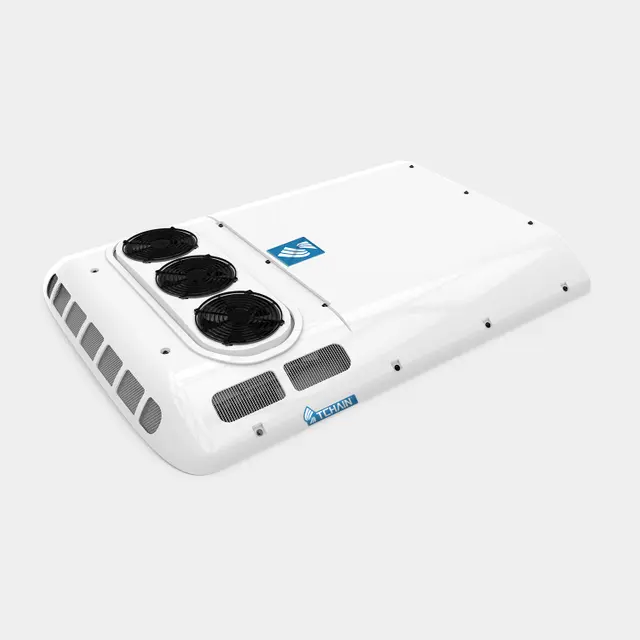
Because rooftop systems are mounted directly on the bus roof structure, secure mounting and proper sealing are essential. Technicians should regularly inspect mounting brackets and fastening components.
Loose mounting hardware may allow vibration that damages the system or the vehicle structure.
Roof sealing materials protect the vehicle interior from rainwater intrusion. Over time, these seals may deteriorate due to exposure to weather and temperature changes.
Inspecting sealing areas helps prevent water leaks that could damage electrical components inside the vehicle.
Since rooftop units face constant exposure to environmental elements, visual inspections help detect early signs of wear, corrosion, or physical damage.
Simple routine checks can prevent larger maintenance problems later.
Drivers and operators can perform quick visual inspections before starting daily operations. Checking for unusual noise, weak airflow, or visible damage helps identify potential issues early.
These simple checks require minimal time but provide valuable early warning signals.
Technicians should perform more detailed inspections at regular intervals. These inspections may include filter replacement, electrical system checks, refrigerant monitoring, and cleaning of heat exchanger surfaces.
Monthly maintenance ensures that the system continues operating efficiently.
Before the hottest months of the year, fleets should conduct a comprehensive inspection of the air conditioning system. Preparing the system before peak demand reduces the risk of failures during the busiest season.
A structured maintenance plan helps fleets maintain consistent performance throughout the year.
Maintenance Task | Recommended Frequency | Main Purpose | What Happens If Ignored |
Filter inspection and replacement | Monthly | Maintain airflow and air quality | Reduced cooling efficiency |
Coil cleaning | Every few months | Improve heat exchange efficiency | Higher energy consumption |
Electrical inspection | Quarterly | Prevent connection failures | System shutdowns |
Refrigerant check | Seasonal | Ensure cooling performance | Weak cooling output |
If the system takes noticeably longer to cool the cabin after starting, this may indicate reduced cooling efficiency or airflow restriction.
Passengers sitting in different areas of the bus should experience consistent cooling. Uneven airflow may signal blocked ducts or fan issues.
Unusual sounds or odors often indicate mechanical wear or refrigerant leaks. Condensation problems may also suggest airflow or drainage issues.
Frequent electrical interruptions may indicate wiring faults or overloaded components. Addressing these issues early prevents larger failures.
Regular maintenance ensures that passengers experience consistent and comfortable temperatures during travel. Clean filters and stable airflow improve the overall cabin environment.
Efficient systems require less energy to maintain cabin temperature. This helps fleets reduce operating costs over time.
Well-maintained air conditioning systems last longer and experience fewer unexpected breakdowns. This reliability allows fleet operators to maintain consistent service schedules.
Maintaining a bus air conditioning system is not simply about fixing problems when they appear. Preventive care helps extend equipment lifespan, improve cooling performance, and reduce costly downtime for fleet operators. By inspecting airflow components, monitoring refrigerant levels, maintaining electrical connections, and following a structured maintenance schedule, transport operators can ensure that their cooling systems continue delivering reliable passenger comfort.
With more than three decades of engineering experience, TCHAIN Co., Ltd. continues to design air conditioning systems that support demanding transportation environments. From city transit buses to long-distance coaches, the company develops HVAC solutions built for reliability and long-term operation. Fleet operators looking to maintain or upgrade their bus rooftop air conditioning system can contact us to learn more about available products, technical guidance, and long-term maintenance support.
Routine inspections should occur monthly, while deeper maintenance such as coil cleaning and refrigerant checks should be performed seasonally.
Dirty filters and blocked airflow are among the most common causes of reduced cooling efficiency.
Yes. Regular maintenance reduces mechanical stress and prevents small issues from developing into major failures.
Proper airflow ensures that cooled air circulates evenly throughout the passenger cabin, maintaining consistent comfort for all passengers.


