
丨
Phone: +86-139-2823-3177
Views: 0 Author: Site Editor Publish Time: 2026-03-19 Origin: Site


Passenger comfort on a bus is rarely judged by small details. The cooling system often becomes the deciding factor between a smooth journey and constant complaints from passengers. A poorly selected rooftop bus air conditioner can lead to unstable cabin temperatures, higher energy consumption, frequent maintenance issues, and even operational downtime. Fleet operators therefore face an important task when purchasing air conditioning equipment: the system must match the vehicle design, passenger capacity, operating environment, and maintenance capabilities of the fleet.
FOSHAN SHUNDE TAICHANG VEHICLE TECHNOLOGY CO., LTD., widely recognized as TCHAIN Co., Ltd., has been developing bus air conditioning systems since 1987. With more than three decades of engineering experience, the company has continuously focused on designing durable and efficient climate control solutions for commercial buses. Over the years, TCHAIN has expanded its product portfolio to include rooftop bus AC systems, built-in bus air conditioners, double-decker cooling solutions, and electric bus HVAC equipment. This buyer’s guide explains the key factors transport operators should evaluate before selecting the right system for their fleet.
Every bus platform requires a different cooling approach. A short shuttle bus carrying twenty passengers will have different thermal loads compared to a full-size city transit bus carrying sixty passengers during peak hours. Bus length directly influences the volume of air that must be cooled and circulated.
Passenger capacity also plays a major role. Each passenger generates heat, especially in crowded urban routes where vehicles operate at maximum occupancy. Larger buses with high passenger density require stronger airflow distribution and higher cooling capacity.
Manufacturers such as TCHAIN design rooftop bus HVAC systems with different capacity ranges to support buses of various sizes. Matching the cooling capacity with the vehicle’s interior volume ensures stable temperature control during daily operation.
Different bus types operate under different conditions. City buses frequently open doors, allowing hot air to enter repeatedly throughout the route. Shuttle buses may operate in shorter cycles but with heavy passenger turnover. Long-distance coaches experience fewer door openings but may carry passengers for extended periods in hot climates.
School buses have their own requirements, especially when operating during seasonal temperature changes. Each vehicle type therefore benefits from a slightly different cooling strategy.
Selecting the correct rooftop bus AC configuration begins by understanding how the bus will be used.
Rooftop air conditioning units must fit within the physical structure of the bus. Roof strength, available installation space, and weight distribution all influence the system choice.
Engineers must also consider vehicle height limitations and roof design. A well-designed rooftop system integrates smoothly with the vehicle structure while maintaining aerodynamic efficiency and safe weight balance.
Planning these factors early prevents installation complications later.
Climate is one of the most important factors when selecting a bus cooling system. Buses operating in tropical or desert regions require significantly higher cooling capacity than those running in mild climates.
High humidity also increases the difficulty of maintaining comfortable cabin conditions. In these environments, strong cooling performance and efficient heat exchange become essential.
Rooftop bus HVAC systems designed for hot climates must provide both strong airflow and reliable compressor performance.
Fleet operators sometimes select cooling systems based only on average conditions. However, the true test of a bus air conditioner occurs when the vehicle is fully loaded during peak demand.
Passengers generate body heat, and crowded buses quickly accumulate thermal load. If the air conditioning system cannot manage this heat effectively, cabin temperatures rise quickly.
Selecting a rooftop air conditioner that can handle maximum passenger load ensures consistent comfort throughout the day.
Urban buses often operate on routes where doors open frequently at every stop. Each opening allows outside heat to enter the vehicle. When combined with high passenger turnover, maintaining stable cabin temperatures becomes challenging.
Stop-and-go driving conditions also affect cooling performance because airflow and compressor load fluctuate constantly.
A properly sized rooftop AC system compensates for these conditions by delivering consistent cooling power even during heavy route cycles.
Engine-driven rooftop systems remain widely used in conventional diesel buses. These systems rely on mechanical compressors powered by the vehicle engine.
Their main advantage is compatibility with traditional bus platforms. Installation is relatively straightforward, and many technicians are already familiar with the mechanical components used in these systems.
Engine-driven systems remain a reliable solution for fleets operating diesel vehicles or long-distance coaches.
Electric rooftop air conditioning units are becoming increasingly common as electric buses gain popularity. These systems operate independently of the engine and rely on electrical power supplied by the vehicle.
Electric rooftop systems provide stable cooling output and are particularly suitable for battery-electric buses where mechanical compressor connections are unnecessary.
As more cities adopt electric public transportation, electric bus HVAC solutions continue to grow in importance.
Air distribution design plays a key role in passenger comfort. Free-blow systems release cooled air directly into the cabin, while ducted systems guide air through ceiling channels for more controlled distribution.
Ducted systems often provide more uniform airflow across the passenger area, especially in long buses.
The choice depends on vehicle design, passenger seating layout, and airflow requirements.
Large transport fleets often prefer standardized systems across multiple buses. Standardization simplifies maintenance and spare parts management.
However, some fleets operate vehicles of different sizes or purposes. In these cases, customized rooftop AC configurations may provide better performance.
Manufacturers with a broad product range can offer both standardized solutions and customized configurations to meet diverse fleet needs.
Passenger comfort is influenced not only by temperature but also by noise levels. Excessive mechanical noise can negatively affect the passenger experience.
Modern rooftop systems incorporate improved fan design and vibration control to reduce operational noise.
Quiet operation contributes to a more comfortable travel environment.
Temperature control systems help maintain stable cabin conditions. Advanced control systems monitor cabin temperature and adjust compressor operation automatically.
Stable temperature control prevents sudden fluctuations that can make passengers uncomfortable.
Maintenance accessibility is often overlooked during equipment selection. Rooftop systems should allow technicians to access components easily for inspection and servicing.
Easy access reduces maintenance time and helps fleets maintain reliable operation.
Durability testing and leak detection are essential for long-term reliability. Quality manufacturers conduct extensive testing to ensure the system performs consistently under demanding operating conditions.
Reliable components reduce the risk of unexpected breakdowns during daily operation.
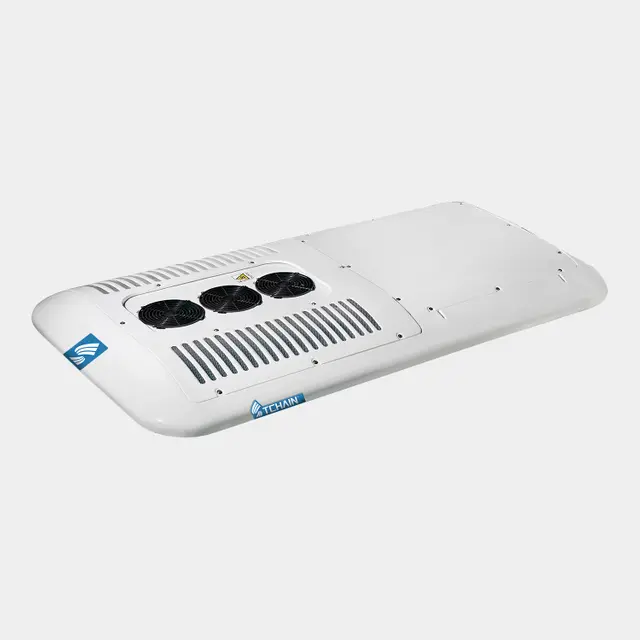
Before requesting quotations, fleet operators should gather basic information about their vehicles and operating conditions. Important details include bus dimensions, passenger capacity, climate conditions, and typical route structure.
Providing accurate information allows engineers to recommend the most suitable rooftop AC configuration.
Buyers should ask about installation requirements, warranty coverage, and maintenance recommendations. These details help determine the long-term reliability of the system.
Understanding service requirements in advance helps fleets plan maintenance schedules effectively.
When comparing different systems, buyers should evaluate technical specifications, cooling capacity data, testing reports, and warranty policies.
Clear documentation helps operators make objective comparisons.
Buying Factor | Why It Matters | What the Buyer Should Confirm | Common Mistake |
Cooling capacity | Determines cabin temperature control | Confirm system capacity for full passenger load | Selecting system based only on bus size |
Airflow design | Affects comfort across cabin | Check airflow distribution method | Ignoring airflow coverage |
Installation requirements | Influences vehicle integration | Confirm roof compatibility | Overlooking vehicle structure |
Maintenance support | Impacts long-term operation | Ask about spare parts and service | Considering only purchase price |
The purchase price of the system is often the first factor buyers consider. However, focusing only on initial cost can lead to long-term problems.
A lower-priced system that requires frequent repairs may ultimately cost more over time.
Cooling systems consume energy throughout daily operation. Efficient systems reduce energy usage and improve vehicle efficiency.
Over several years of operation, energy savings can significantly influence operating costs.
Regular maintenance ensures consistent cooling performance. Systems designed with durable components and accessible spare parts simplify maintenance procedures.
Reliable supply of replacement parts helps fleets maintain operational continuity.
When a bus cannot operate due to equipment failure, the financial impact goes beyond repair costs. Downtime affects scheduling, passenger service, and operational efficiency.
Selecting a reliable rooftop system helps reduce downtime risk.
Rooftop air conditioning units have become the standard solution for many commercial buses because they provide efficient cooling coverage across the passenger cabin.
Their placement above the cabin allows strong airflow distribution and effective heat exchange.
Installing the air conditioning system on the roof frees interior space for passengers and seating. This improves cabin layout and increases overall comfort.
Interior space is especially valuable for public transportation vehicles.
While built-in air conditioning systems exist, they often require more complex installation and may occupy interior space.
Rooftop systems simplify integration while delivering reliable cooling performance.
A supplier with a broad product portfolio can support multiple bus types and configurations.
TCHAIN offers rooftop bus air conditioning systems along with built-in, electric, and double-decker bus HVAC solutions, allowing operators to select equipment that fits different vehicle platforms.
Engineering support helps ensure proper system integration and performance. Experienced manufacturers provide guidance during installation and offer technical assistance after delivery.
Different fleets require different solutions. Some operators need standardized equipment across many vehicles, while others require specialized configurations.
Manufacturers capable of supporting both needs provide greater flexibility.
Selecting the correct rooftop AC system does not require buyers to become HVAC engineers. The goal is simply to understand the operational conditions of the fleet and match the cooling system to those conditions. By evaluating vehicle type, climate environment, passenger load, and long-term operating costs, fleet operators can make informed purchasing decisions and avoid common mistakes.
TCHAIN Co., Ltd. has spent more than 36 years developing climate control solutions for passenger transportation. With an extensive portfolio that includes rooftop systems, electric bus air conditioning units, and integrated HVAC solutions, the company continues to support fleets around the world with reliable cooling technology. Transport operators searching for a dependable bus roof air conditioning system for their vehicles can contact us to learn more about available configurations and technical support for upcoming fleet projects.
Cooling capacity depends on bus length, passenger load, climate conditions, and route operation patterns. These factors influence how much heat the system must remove from the cabin.
Yes. Electric rooftop systems are commonly used in battery-electric buses because they integrate well with electrical power systems and provide stable cooling performance.
Proper airflow ensures that all passengers experience consistent cooling. Poor airflow distribution can cause uneven cabin temperatures.
With proper maintenance and correct system matching, a commercial bus rooftop air conditioning system can operate reliably for many years in daily fleet service.


