
丨
Phone: +86-139-2823-3177
Views: 0 Author: Site Editor Publish Time: 2026-03-09 Origin: Site


Regular maintenance of transport air conditioning systems is vital for ensuring their efficiency, extending their lifespan, and reducing unexpected operational costs. Especially in heavy-duty transport vehicles such as buses, trucks, and commercial fleets, maintaining these cooling units is crucial for optimal vehicle performance. A well-maintained HVAC system can keep the vehicle cool and comfortable for both drivers and passengers, while also improving fuel efficiency and reducing downtime. This article provides a detailed routine maintenance checklist for heavy-duty transport cooling units, helping fleet managers and technicians keep their systems running smoothly.
Heavy-duty transport cooling systems, especially transport air conditioning systems, work continuously to regulate temperature and air quality within commercial vehicles. These systems are essential for the comfort of drivers and passengers, as well as for the efficient operation of the vehicle. Over time, wear and tear can affect the performance of these units, leading to energy inefficiency, breakdowns, and higher repair costs.
Routine maintenance is crucial to ensuring that the cooling system functions at its best, optimizing the vehicle's overall performance. Preventive maintenance helps identify issues early, reduces the likelihood of costly repairs, and ensures the vehicle operates within the optimal temperature range.
A well-maintained HVAC system plays a significant role in enhancing vehicle performance and energy efficiency. Poorly maintained systems consume more energy, increasing operating costs and reducing the vehicle's overall efficiency. For heavy-duty vehicles, an efficient cooling system can improve fuel economy and reduce the environmental impact by lowering CO2 emissions.
Transport air conditioning systems, often referred to as HVAC systems, operate on the principle of refrigerant cycles. These systems use refrigerant to absorb and expel heat, ensuring the vehicle stays cool during hot weather. The basic components include:
Compressor: Circulates the refrigerant gas throughout the system.
Condenser: Releases the heat absorbed by the refrigerant to the outside environment.
Evaporator: Absorbs heat inside the vehicle and cools the air.
Expansion Valve: Controls the flow of refrigerant into the evaporator.
In electric and diesel-powered heavy-duty vehicles, these systems are powered by the vehicle’s engine or battery, and they work to maintain comfortable temperatures for both drivers and passengers in varying conditions.
Heavy-duty transport cooling units are larger and more complex than those in passenger vehicles. In addition to the common components listed above, these systems often include:
Air Filters: Remove dust, debris, and contaminants from the air, ensuring clean air is circulated within the cabin.
Blower Motor: Circulates the air through the system and into the vehicle’s cabin.
Thermostat and Sensors: Monitor and control the temperature within the vehicle, ensuring the system maintains the desired settings.
Regular inspection and maintenance of each component are essential to keep the system running efficiently.
Refrigerant is the lifeblood of an HVAC system, and maintaining the correct refrigerant level is crucial for proper cooling. Low refrigerant levels can cause the system to lose its ability to cool the air, leading to reduced comfort levels and increased energy consumption. Common signs that indicate low refrigerant levels include:
Reduced cooling performance or inconsistent air temperature
Increased compressor noise or strain
Ice buildup on the evaporator coils or refrigerant lines
Longer cooling times or the system taking too long to reach desired temperatures
If these symptoms occur, checking the refrigerant level should be one of the first steps in troubleshooting the system.
Checking the refrigerant levels in transport air conditioning systems should be done regularly as part of routine maintenance. Here's how to do it:
Locate the Service Ports: Identify the high and low-pressure service ports on the system. These are usually marked with color-coded caps.
Connect the Pressure Gauge: Attach a refrigerant pressure gauge to the low-pressure port to measure the refrigerant level. Compare the reading with the manufacturer's specifications.
Top Up if Necessary: If the refrigerant level is low, add the appropriate refrigerant according to the system’s specifications. Ensure the correct type and quantity of refrigerant are used.
Regular checks of refrigerant levels can prevent system strain and ensure optimal cooling.
Task | Frequency | Tools Needed | Additional Notes |
Check Refrigerant Levels | Every 6 months | Pressure Gauge | Make sure to use the correct refrigerant type |
Air filters play a crucial role in maintaining the efficiency of transport air conditioning systems. They prevent dust, dirt, and debris from entering the system and clogging up important components. Clean filters ensure better airflow, reduce the workload of the blower motor, and improve overall system efficiency.
If the air filters are dirty or clogged, they can cause the system to work harder, leading to higher energy consumption and reduced cooling performance. This can also lead to unnecessary wear on the system, resulting in more frequent repairs and replacements.
Depending on the condition of the air filters, they may either need cleaning or replacement. Here's a general guideline:
Cleaning: For lightly soiled filters, use a vacuum cleaner or compressed air to remove dust and dirt. This should be done every 1-2 months.
Replacing: If the filters are too dirty or damaged, they should be replaced entirely. A filter replacement schedule should be based on the manufacturer’s recommendation or every 6 months for optimal performance.
Task | Frequency | Tools Needed | Additional Notes |
Clean Air Filters | Every 1-2 months | Vacuum/Compressed Air | Ensure filters are properly dry before reinstalling |
Replace Air Filters | Every 6 months | New Air Filters | Replace if damaged or too dirty |
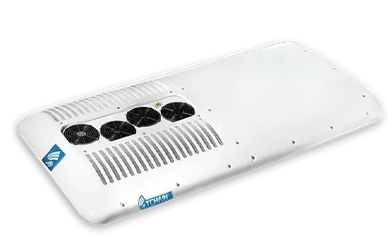
The condenser and evaporator coils are critical components of the HVAC system, responsible for absorbing and releasing heat. Over time, these coils can accumulate dirt, debris, and even ice, affecting their efficiency.
Common issues with coils include:
Dirt Build-up: Dirt on the condenser coils can block airflow and reduce cooling efficiency. Similarly, debris on the evaporator coils can cause ice to form, which hampers the system’s cooling performance.
Corrosion: If left unchecked, coils can corrode due to exposure to moisture, leading to refrigerant leaks and system failure.
Cleaning the coils should be done regularly as part of routine maintenance. Here's how:
Turn Off the System: Always turn off the HVAC system before inspecting or cleaning coils.
Remove Debris: Use a soft brush or vacuum to remove dirt and debris from the coils.
Clean with a Coil Cleaner: Use a specialized coil cleaner to break down stubborn dirt and grime.
Check for Corrosion: Inspect the coils for any signs of rust or corrosion. If necessary, apply anti-corrosion treatment to protect them.
Task | Frequency | Tools Needed | Additional Notes |
Clean Condenser and Evaporator Coils | Every 6 months | Soft brush, coil cleaner | Always allow coils to dry completely before reactivating the system |
Leaks in the cooling system can cause a loss of refrigerant, which affects performance and reduces energy efficiency. Signs of leaks include reduced cooling power, the presence of oil stains around connections, and unusual system noises.
To detect leaks:
Use Leak Detection Dye: A special dye can be introduced into the refrigerant system, which will reveal any leaks when inspected under UV light.
Listen for Leaks: A hissing sound could indicate a refrigerant leak in the system.
Check for Ice or Moisture: Ice build-up or moisture around system connections can be an indication of a leak.
Seals in the HVAC system prevent refrigerant from escaping and ensure the system operates at its best. Over time, seals can become brittle and worn, leading to leaks. Regular inspection and maintenance of seals are essential to prevent refrigerant loss and ensure long-term system efficiency.
Task | Frequency | Tools Needed | Additional Notes |
Inspect for Leaks | Every 6 months | UV Leak Detection Dye, UV Light | Check all hoses and connections for wear |
Maintain Seals | Annually | Sealant, Replacement Seals | Replace damaged seals promptly to prevent leaks |
The main components include the compressor, condenser, evaporator, expansion valve, air filters, and blower motor. Regular inspection and maintenance of these components are essential for optimal performance.
Air filters should be cleaned every 1-2 months, and replaced every 6 months or when they are damaged or too dirty to clean effectively.
Signs include reduced cooling performance, increased compressor noise, ice build-up on coils, and longer cooling times.
Leaks reduce refrigerant levels, which directly impacts cooling performance, efficiency, and can lead to costly repairs if left unchecked.
Regular maintenance not only ensures that the cooling system operates efficiently but also extends the lifespan of its components. Preventive maintenance can significantly reduce the likelihood of breakdowns, enhance the overall reliability of the system, and delay the need for costly replacements. By proactively addressing potential issues before they escalate, fleet operators can avoid unexpected downtime and costly repairs, ensuring that the vehicles remain in peak condition for longer periods.
Furthermore, by maintaining HVAC systems, fleet managers can reduce energy consumption, which directly lowers operating costs. Well-maintained cooling units consume less energy and work more efficiently, minimizing the strain on the vehicle’s battery or fuel consumption. This translates into reduced downtime and fewer disruptions in operations. Ultimately, this contributes to a more efficient and cost-effective fleet, improving not only the bottom line but also customer satisfaction. Regular maintenance helps fleets operate more smoothly, enhancing the comfort of passengers and the productivity of drivers, while also supporting the company's commitment to sustainability and long-term cost savings.


