
丨
Phone: +86-139-2823-3177
Views: 0 Author: Site Editor Publish Time: 2026-01-15 Origin: Site


Ever wondered how bus air conditioners keep passengers comfortable during long journeys? How do they maintain the perfect temperature and air quality, especially in hot climates?
In this article, we’ll explore how bus air conditioners work, why they’re so important, and how TCHAIN has become a leader in delivering innovative solutions for modern transportation.
A bus air conditioner is a system designed to control the internal environment of a bus by cooling the air, reducing humidity, and improving air quality. It ensures that passengers remain comfortable during their journey, especially in warmer climates or during long-distance trips. The primary function of a bus air conditioner is to remove excess heat and moisture from the bus's interior, making it a vital part of the modern transportation infrastructure.
A well-functioning air conditioning system contributes significantly to passenger comfort and satisfaction, making it an indispensable feature for buses, particularly for those that operate in hot regions. As the demand for high-quality, energy-efficient, and sustainable transportation solutions increases, bus air conditioners have evolved to meet the needs of diverse bus models, including city buses, tour buses, electric buses, and double-decker buses.
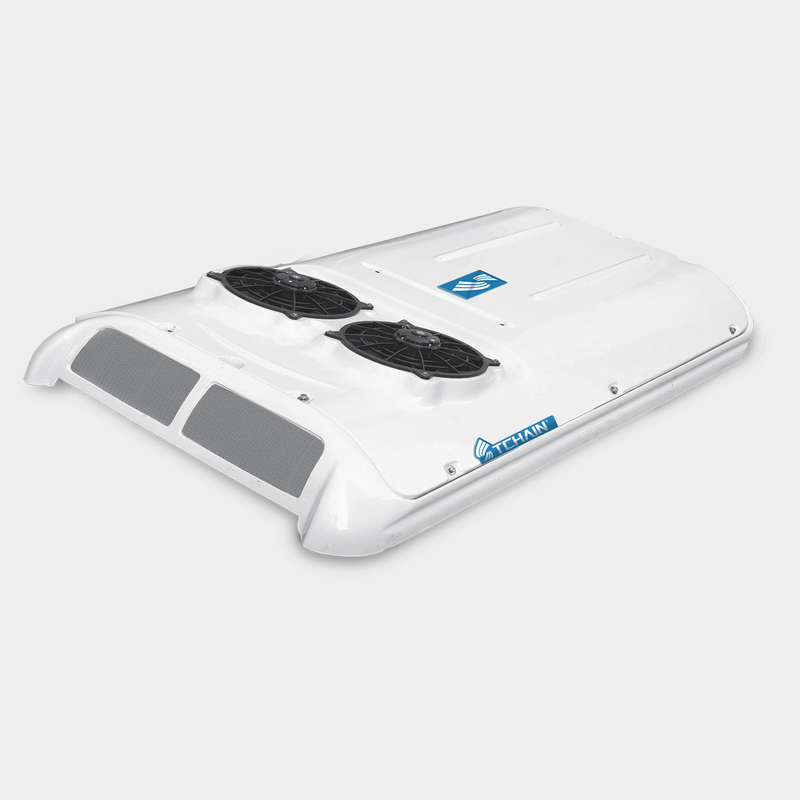
TCHAIN’s bus air conditioners are designed to integrate these components seamlessly, ensuring that each system works efficiently and provides maximum comfort for passengers. By combining high-quality components with advanced technology, TCHAIN’s products stand out for their durability and performance.
Component | Function | Example in TCHAIN Products |
Compressor | Compresses refrigerant and circulates it through the system | TCHAIN’s high-efficiency compressor models |
Condenser | Releases heat to the outside environment | Custom-designed condensers for efficient heat transfer |
Evaporator | Absorbs heat from the bus interior | Optimized evaporators for superior cooling performance |
Blower | Distributes cooled air throughout the bus | Adjustable blower systems for even air distribution |
The operation of a bus air conditioner involves a cycle of refrigerant that absorbs heat from the bus interior and releases it outside. This cycle ensures that the interior of the bus remains cool and comfortable, even in extremely hot weather. The following is a step-by-step breakdown of how the system works:
1. Refrigerant Compression: The compressor compresses the refrigerant gas, raising its pressure and temperature. This high-pressure refrigerant then moves through the system.
2. Heat Transfer: The refrigerant passes through the condenser, where it releases heat to the external environment, cooling down in the process.
3. Cooling the Bus Interior: The refrigerant moves to the evaporator, where it absorbs heat from the air inside the bus. As it absorbs heat, the refrigerant changes from a liquid to a gas.
4. Air Distribution: The blower then distributes the cooled air into the bus, ensuring that passengers feel comfortable.
This process is continually repeated, maintaining the desired internal temperature. TCHAIN has optimized this cycle in their bus air conditioners, using advanced systems to ensure that the cooling process is both efficient and effective, even in buses operating in extreme weather conditions.
Modern bus air conditioners are designed with energy efficiency in mind. By minimizing power consumption while still delivering optimal cooling performance, these systems help reduce fuel costs and increase the overall efficiency of bus operations. TCHAIN focuses on integrating energy-saving technologies into their air conditioning systems. These innovations include the use of variable-speed compressors and energy-efficient fans, both of which contribute to a reduction in energy consumption.
In addition to the immediate savings on energy bills, these systems are also better for the environment, as they help lower overall carbon emissions from buses. TCHAIN’s commitment to developing eco-friendly products aligns with the global push towards sustainability and the reduction of carbon footprints in the transportation industry.
Bus air conditioners are available in several configurations to suit different types of buses and operational needs. Here are the main types of bus air conditioners:
Rooftop air conditioners are the most commonly used type in buses. They are mounted on the roof of the bus, freeing up valuable interior space. These systems are typically used for medium to large buses, as they can handle a significant cooling load. TCHAIN specializes in rooftop air conditioners for buses ranging from 6 to 14 meters, offering a wide variety of models to meet different operational needs. These air conditioners are designed to be both space-saving and highly efficient, ensuring that buses can maintain a comfortable temperature, even during the hottest weather.
Built-in bus air conditioners are integrated into the bus's structure, usually in the rear section of the bus. These systems are ideal for buses that have limited roof space or for specialized bus designs. Built-in air conditioners often provide a quieter operation compared to rooftop units and are favored in buses with unique interior configurations.
With the growing popularity of electric buses, TCHAIN has developed air conditioners specifically designed for electric buses. These air conditioners are designed to be highly energy-efficient and capable of operating with low power consumption, aligning with the eco-friendly nature of electric buses. The rooftop units designed for electric buses are compact, lightweight, and optimized to meet the specific cooling requirements of electric vehicles.
Double-decker buses, often used for city tours or intercity travel, require specialized air conditioning systems to cool both the upper and lower levels of the bus. TCHAIN’s double-decker bus air conditioners are specifically designed to handle the unique needs of these buses, ensuring that passengers on both levels enjoy a cool and comfortable ride. These systems are compact, efficient, and capable of providing even air distribution across the entire bus.
Type of AC | Best Suited For | Features |
Rooftop Units | Medium to large buses (6-14 meters) | Space-saving, efficient, widely used in buses |
Built-in Units | Buses with limited roof space | Quiet operation, integrated design |
Electric Units | Electric buses | Low power consumption, energy-efficient |
Double Decker | Double-decker buses | Dual-level cooling, compact design |
Each component in TCHAIN’s bus air conditioners is crafted with precision to ensure optimal performance. The compressor, for example, is the heart of the system, pumping refrigerant throughout the entire system. TCHAIN’s high-efficiency compressors are designed to provide superior cooling power while maintaining low energy consumption, which is essential for long-term operational efficiency.
The condenser is equally important, as it expels the heat collected by the refrigerant, allowing the cooling cycle to continue. TCHAIN uses custom-designed condensers that enhance the efficiency of heat transfer, enabling the air conditioning system to work effectively, even in extreme temperatures.
The evaporator inside the air conditioning unit absorbs the heat from the bus interior. TCHAIN’s evaporators are optimized for performance, ensuring that the cooling effect is consistently felt throughout the bus. These evaporators are designed to deliver maximum cooling while minimizing energy usage, contributing to both comfort and cost-effectiveness.
Finally, the blower ensures that the cooled air is evenly distributed throughout the bus. TCHAIN incorporates adjustable blower systems in its products, which allow for better control over the airflow, ensuring that passengers enjoy consistent comfort regardless of where they are seated on the bus.
By focusing on the quality and performance of each individual component, TCHAIN ensures that their bus air conditioners not only meet but exceed the expectations of bus operators and passengers alike.
Maintaining a stable and comfortable temperature is one of the primary functions of a bus air conditioner. The system continuously adjusts the internal temperature to compensate for external weather conditions. In hot climates, this is especially crucial, as it helps prevent discomfort and fatigue among passengers. A well-maintained air conditioning system ensures that the temperature remains comfortable, regardless of the outside weather.
TCHAIN’s air conditioners are designed to provide reliable temperature control in various climates, ensuring that buses remain cool and comfortable in both extreme heat and mild weather.
Air quality is another essential aspect of bus air conditioning systems. Poor air quality can lead to discomfort, allergies, and health issues for passengers, particularly in crowded buses. A good air conditioning system provides adequate ventilation and air circulation, ensuring that fresh air is constantly introduced into the bus while maintaining the desired temperature.
TCHAIN integrates advanced filtration and ventilation technologies into their air conditioners to improve air quality and reduce the risk of airborne diseases. Their systems also help to maintain proper humidity levels, further enhancing passenger comfort.
Regular maintenance is key to keeping bus air conditioners operating efficiently. Typical maintenance tasks include checking refrigerant levels, cleaning filters, inspecting the compressor and condenser, and ensuring proper airflow throughout the system. Regular inspections help identify potential issues early, preventing costly repairs and extending the lifespan of the air conditioning system.
TCHAIN offers comprehensive after-sales services, including scheduled maintenance programs and immediate repairs, ensuring that buses operate without interruption.
Some common signs that a bus air conditioner needs repair or maintenance include:
● Weak or No Cooling: If the air conditioner is blowing air but it's not cool or if it fails to cool the bus effectively, there could be an issue with the refrigerant levels, compressor, or the evaporator coil. This problem may indicate a leak in the refrigerant system or a malfunctioning compressor.
● Unusual Noises, Such as Grinding or Rattling: Strange noises coming from the air conditioning unit, such as grinding, rattling, or whining, can signal problems with internal components. This could be due to issues with the blower fan, motor, or compressor. These noises should not be ignored, as they can escalate into more serious mechanical failures if left unaddressed.
● Inconsistent Air Flow: When the air conditioning system is not distributing air evenly throughout the bus, it can lead to uncomfortable conditions for passengers. This could be caused by a clogged air filter, issues with the blower fan, or ductwork problems. Reduced airflow can also point to problems with the evaporator coil or refrigerant levels.
● Leaks or Condensation Inside the Bus: If there is water pooling or condensation inside the bus or around the air conditioning unit, it could indicate that the system is not draining properly. This can be caused by clogged drainage pipes, a frozen evaporator coil, or an issue with the condensate pump. Excess moisture inside the bus can lead to mold growth, which can affect the air quality and comfort of passengers.
Addressing these issues promptly can prevent more significant damage to the system and ensure that buses continue to operate efficiently.
The comfort of passengers is a top priority for bus operators, and a well-functioning air conditioning system plays a critical role in maintaining that comfort. By providing a cool, fresh, and pleasant environment, bus air conditioners help ensure passenger satisfaction and promote positive travel experiences.
Modern air conditioning systems are designed to minimize energy consumption while still delivering optimal cooling. TCHAIN’s bus air conditioners are energy-efficient, helping bus operators save on fuel costs while reducing the environmental impact. With rising fuel prices and increasing demand for sustainable solutions, investing in energy-efficient systems is a smart choice for bus companies.
With over 36 years of experience, TCHAIN has developed a deep understanding of bus air conditioning technology. Their expertise in the field, combined with their commitment to innovation, ensures that their products meet the highest industry standards.
TCHAIN’s state-of-the-art research and development department is equipped with advanced testing facilities, including a domestic performance testing lab and imported helium leak detection equipment. This enables TCHAIN to deliver products that are both high-quality and reliable, ensuring that their air conditioners perform optimally in all conditions.
TCHAIN collaborates with some of the most well-known names in the bus manufacturing industry, including VOLVO, MAN, and Scania. Their global partnerships highlight the trust placed in their products and the superior quality of their air conditioning systems.
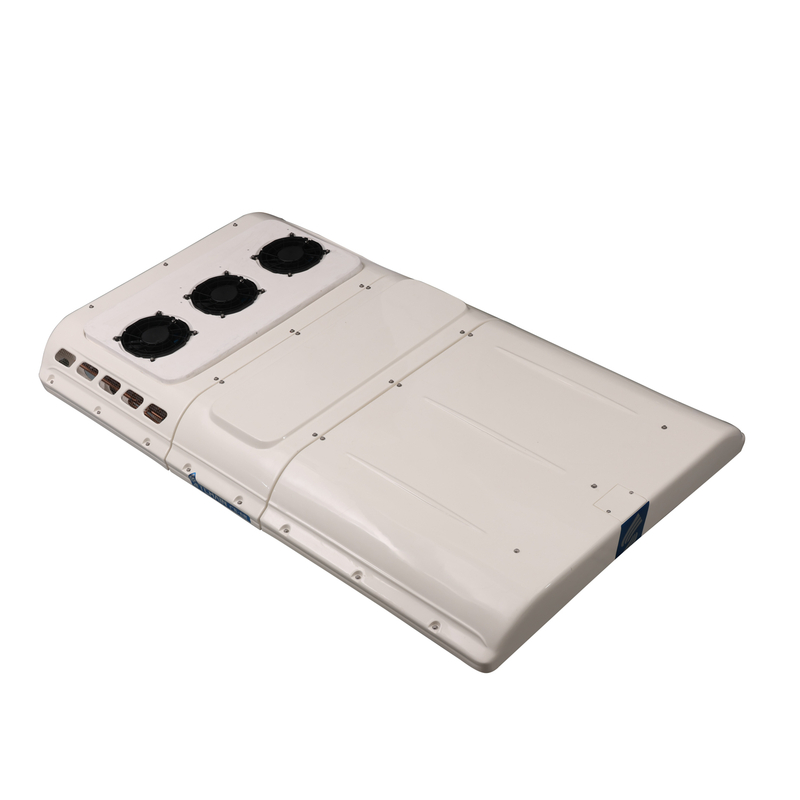
Bus air conditioners play a vital role in ensuring the comfort and well-being of passengers, especially in regions with high temperatures. TCHAIN offers innovative, energy-efficient, and high-performance air conditioning solutions designed to meet the needs of various bus types. With over 36 years of experience, TCHAIN continues to lead the way in the bus air conditioning industry, providing reliable products and excellent after-sales support. Investing in high-quality bus air conditioning systems from TCHAIN ensures improved passenger comfort, energy savings, and long-term operational efficiency.
A: A bus air conditioner is a system installed in buses to regulate temperature, humidity, and air quality for passenger comfort. It works by cooling the air, reducing humidity, and improving overall air circulation inside the bus, ensuring a pleasant environment for passengers during travel.
A: A bus air conditioner works by compressing refrigerant, which then absorbs heat from inside the bus. The refrigerant moves through a condenser, where heat is released outside. The cooled refrigerant then circulates through an evaporator, and the blower distributes cool air inside the bus.
A: Bus air conditioners are important because they provide a comfortable environment for passengers, especially during long trips or in hot climates. They help maintain optimal temperature and air quality, which enhances passenger satisfaction and makes the travel experience more enjoyable.
A: The benefits of a bus air conditioner include maintaining passenger comfort, improving air quality, reducing heat-related fatigue, and providing better ventilation. Modern systems also offer energy efficiency, helping bus operators save on fuel costs and improve overall operational efficiency.
A: To troubleshoot a bus air conditioner, check for common issues such as refrigerant leaks, clogged filters, or malfunctioning fans. If the system is not cooling effectively, inspect the compressor and condenser for faults. It's recommended to contact a professional service provider for complex issues.


