
丨
Phone: +86-139-2823-3177
Views: 0 Author: Site Editor Publish Time: 2026-03-06 Origin: Site


In the age of electrification, the transportation industry is embracing cutting-edge technologies to enhance performance, improve efficiency, and reduce environmental impact. One such crucial component in electric buses and trucks is the HVAC (Heating, Ventilation, and Air Conditioning) system. HVAC systems play an essential role in maintaining comfort and regulating temperature, both of which are crucial for passenger satisfaction and driver safety. As electric vehicles (EVs) become more prevalent, the need for energy-efficient HVAC systems is becoming more critical. This article delves into the science behind energy-efficient HVAC systems for electric buses and trucks, exploring how they work, the latest technologies, and their impact on fleet performance and sustainability.
In electric buses and trucks, the HVAC system does much more than simply regulate temperature. It ensures that the vehicle remains comfortable for both passengers and drivers, which is essential for longer trips or daily commutes. However, unlike conventional vehicles, electric buses and trucks rely on battery power, which is limited. As such, every component, including the HVAC system, must be energy-efficient to avoid depleting the battery too quickly. In this context, HVAC systems must operate efficiently, consume minimal power, and still meet the performance expectations of electric vehicle (EV) fleets.
An inefficient HVAC system can drain a substantial portion of the battery's energy, reducing the vehicle's driving range and leading to frequent recharging. Therefore, a well-designed energy-efficient HVAC system is a key factor in ensuring that electric buses and trucks can operate optimally without compromising battery life or overall performance.
Designing HVAC systems for electric vehicles presents unique challenges. Traditional HVAC systems in internal combustion engine (ICE) vehicles are powered by the engine’s energy, but in electric vehicles, this system draws directly from the battery. This makes it crucial to balance comfort with energy consumption, as HVAC systems are typically one of the largest power consumers in electric vehicles.
Moreover, electric buses and trucks often operate in extreme weather conditions, such as very hot summers or cold winters, which further intensifies the demands on the HVAC system. Achieving the optimal energy efficiency in such conditions without compromising comfort or safety is a significant challenge for engineers.
At its core, an HVAC system works by regulating the flow of air within the vehicle to control the temperature and air quality. A typical transport air conditioning system for buses and trucks includes several key components, such as the compressor, condenser, evaporator, and expansion valve. In electric vehicles, the HVAC system must be adapted to efficiently utilize the available power while providing a comfortable environment for passengers and drivers.
The compressor plays a critical role in the refrigeration cycle by circulating refrigerant throughout the system. The refrigerant absorbs heat from the interior and expels it outside the vehicle, thus cooling the air. For heating, an electric resistance heater or a heat pump may be used, both of which require careful management of energy consumption to avoid overtaxing the battery.
Electric buses and trucks require HVAC systems that are specifically designed to optimize energy use while maintaining performance. The key components include:
High-Efficiency Compressors: These compressors are designed to be more energy-efficient than traditional models, drawing minimal power while providing optimal cooling and heating.
Heat Pumps: Unlike traditional resistance heaters, heat pumps transfer heat rather than generate it, which significantly reduces energy consumption in both heating and cooling operations.
Variable Speed Fans: These fans adjust their speed based on the demand for heating or cooling, ensuring that power is used efficiently.
Smart Temperature Control Systems: Advanced sensors and thermostats automatically adjust temperature settings based on the internal environment and external weather conditions, ensuring energy is used only when necessary.
Modern HVAC systems use a variety of advanced technologies to increase energy efficiency. Among these are:
Variable Refrigerant Flow (VRF) Technology: VRF technology enables the HVAC system to control the amount of refrigerant that circulates through the system, adjusting to demand. This allows the system to operate at lower power levels when less cooling or heating is required, improving energy efficiency.
Advanced Insulation Materials: Insulation materials such as advanced foams and reflective coatings minimize heat loss or gain, allowing the HVAC system to work less to maintain the desired temperature.
Regenerative Braking Systems: Some electric buses and trucks feature regenerative braking systems that capture energy during braking and convert it into usable power for the HVAC system, improving overall efficiency.
Thermal management plays a critical role in the energy efficiency of electric vehicle HVAC systems. In electric buses and trucks, proper thermal management ensures that the batteries and other electrical components remain within optimal temperature ranges. Batteries that are too hot or too cold lose efficiency, reducing the vehicle’s driving range.
Advanced thermal management systems are used to regulate the temperature of the battery pack, ensuring that HVAC systems do not work excessively to heat or cool the interior. By minimizing temperature fluctuations within the vehicle and using energy-efficient systems, manufacturers can extend battery life and reduce energy consumption.
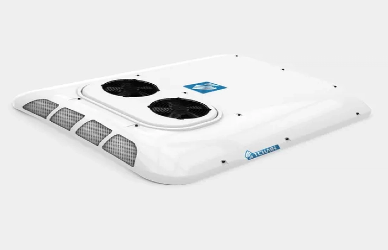
Electric buses are often used in urban environments and may need to operate in varying weather conditions, making HVAC systems vital. Modern electric bus HVAC systems are designed with energy conservation in mind. In addition to the technologies mentioned above, electric buses now feature more advanced heat pump systems that can efficiently heat the vehicle in cold weather conditions using minimal energy. Heat pumps are especially useful in electric vehicles, as they transfer heat from the outside air rather than generating it, making them far more energy-efficient than traditional heating methods.
Energy optimization strategies in electric buses include:
On-Demand HVAC Activation: Instead of constantly running the HVAC system, many electric buses use an on-demand approach, activating the system only when necessary.
Zone Temperature Control: This feature allows different sections of the bus to be heated or cooled according to the specific needs of the passengers in those zones, optimizing energy use across the vehicle.
By employing these energy-efficient technologies and strategies, electric buses can maintain comfort without unnecessarily draining the battery.
Electric trucks face unique challenges when it comes to HVAC systems, primarily due to their size and the longer distances they travel compared to electric buses. Longer trips mean that HVAC systems need to operate efficiently over extended periods without depleting the battery.
Electric trucks often carry heavy loads, which means the HVAC system must also provide adequate cooling or heating for the cabin, cargo area, and even the battery compartment. Ensuring that energy is not wasted while meeting the demands of the vehicle is crucial for truck operators.
For long-distance electric trucks, key HVAC features include:
Extended Battery Life Management: The HVAC system should work in tandem with the truck's battery management system to ensure the battery remains at an optimal temperature, extending its lifespan and improving driving range.
Advanced Air Filtration Systems: Electric trucks traveling long distances through various environments benefit from superior air filtration systems that maintain the quality of air inside the cabin and improve the driver’s comfort.
By optimizing these features, electric truck fleets can reduce energy consumption and increase the operational range of their vehicles.
Energy-efficient HVAC systems in electric buses and trucks can have a significant impact on operational costs. By reducing energy consumption, fleet operators can save money on electricity or charging costs, which in turn improves the overall cost-effectiveness of their fleets. For fleets that run long routes, these savings add up over time, improving the profitability of the entire fleet.
Energy-efficient HVAC systems contribute to fleet sustainability by reducing the overall carbon footprint. By consuming less power, these systems help lower greenhouse gas emissions associated with electric vehicle charging. For fleets that prioritize sustainability, investing in energy-efficient HVAC is a step toward achieving environmental goals and meeting regulatory standards.
HVAC systems directly impact the overall energy consumption of electric vehicles. Inefficient systems can drain battery power quickly, reducing the vehicle’s driving range. Energy-efficient HVAC systems help optimize power usage, ensuring vehicles run longer on a single charge.
Modern HVAC systems utilize technologies such as Variable Refrigerant Flow (VRF), advanced insulation, and regenerative braking to optimize energy usage, reduce waste, and improve system efficiency.
Effective thermal management ensures that the vehicle’s battery and components remain at optimal temperatures, preventing energy loss and extending the vehicle’s driving range while maintaining the efficiency of the HVAC system.
Energy-efficient HVAC systems reduce the power consumption of electric buses and trucks, helping to lower greenhouse gas emissions and improve the overall sustainability of the fleet. These systems also help fleets meet environmental regulations.
The future of HVAC systems in electric transport looks promising, with continued advancements in energy efficiency and sustainability. As the demand for electric vehicles grows, so too will the need for efficient, reliable HVAC systems. By adopting innovative technologies such as heat pumps, thermal management systems, and energy-optimized HVAC solutions, electric bus and truck fleets can maximize performance, reduce operational costs, and contribute to a greener, more sustainable future.


