
丨
Phone: +86-139-2823-3177
Views: 0 Author: Site Editor Publish Time: 2026-01-23 Origin: Site


How can you ensure that your passengers stay comfortable and safe during every journey? The answer lies in selecting the right bus air conditioner, especially in regions with extreme weather.
In this guide, we’ll explore how the perfect air conditioning system can boost passenger satisfaction and improve operational efficiency. Let’s dive into the essential factors for choosing the ideal bus air conditioner for your needs.
Passenger comfort is one of the most crucial factors in any public transport service, and maintaining an optimal internal temperature plays a significant role in achieving this. When temperatures rise, especially during summer months, it can negatively impact passengers’ mood, comfort, and even safety. Long bus journeys without proper cooling can leave passengers feeling fatigued and irritable, which can affect the reputation of the fleet service.
A high-quality bus air conditioner ensures that passengers remain comfortable by maintaining a steady, cool temperature and good air circulation. TCHAIN has spent years refining its product line to ensure that every air conditioner, whether rooftop, built-in, or for double-decker buses, delivers efficient cooling that maximizes comfort. By focusing on high-performance air conditioners, TCHAIN enhances the passenger experience and fosters greater satisfaction, ensuring that passengers are more likely to choose your fleet again.
Beyond comfort, bus air conditioning also plays an essential role in maintaining health and safety standards. Temperature regulation is a critical factor in ensuring a safe environment for passengers. Extreme heat inside a bus can lead to dehydration, discomfort, and even heat stroke, while poor air circulation can result in the buildup of air pollutants and allergens, contributing to respiratory issues.
In many countries, regulations specify acceptable indoor temperature ranges and air quality levels for public transportation. This is where TCHAIN’s commitment to high-performance standards stands out. TCHAIN designs its air conditioners to meet these regulatory requirements, ensuring that the buses operate within the mandated temperature thresholds. Furthermore, TCHAIN’s bus air conditioners contribute to better air quality by filtering out dust, bacteria, and other pollutants, which is vital for passenger health.
As energy costs continue to rise and environmental concerns become more pressing, choosing an energy-efficient air conditioning system has become a top priority for fleet managers. Over the years, TCHAIN has focused heavily on developing low-energy-consumption products that not only lower operational costs but also reduce the fleet’s overall carbon footprint.
The company’s advanced green technologies in bus air conditioners help minimize the impact of air conditioning on a bus's energy consumption. These energy-efficient systems significantly reduce the amount of fuel or electricity consumed, resulting in lower costs for fleet operators. In addition, TCHAIN’s focus on eco-friendly products helps contribute to the global push towards more sustainable transportation solutions. Fleet managers can ensure that they are not only providing comfort but also supporting a greener future.
The first step in choosing the right air conditioner for your fleet is understanding the size and capacity of the buses in your fleet. The size of the bus determines the cooling capacity required from the air conditioning system. For buses that are 6 meters long to those that are 14 meters long, the air conditioning system needs to be appropriately sized to ensure efficient cooling without overburdening the system.
TCHAIN offers a diverse range of bus air conditioners, designed specifically for different bus types, whether it’s for short, medium, or long-distance routes. Rooftop air conditioners, which are typically more suitable for large buses, offer superior space utilization, while built-in systems provide a sleek, space-saving solution for smaller buses. TCHAIN’s product line ensures that fleet managers can select an air conditioning system that matches the exact needs of their fleet.
Climate plays a vital role in determining the kind of air conditioning unit required for your fleet. Buses operating in hot, humid climates require more powerful cooling units to ensure the temperature inside remains comfortable. On the other hand, buses operating in cooler climates may require a less powerful unit that offers temperature regulation rather than intense cooling.
TCHAIN’s electric bus air conditioners are specifically designed to cater to the needs of fleets operating in varying climates. These advanced systems ensure consistent temperature regulation and are engineered for efficiency, whether operating in the sweltering heat of a tropical city or the cooler environments of northern regions.
For fleet managers, the long-term operating costs are one of the most significant factors to consider when choosing a bus air conditioner. A more energy-efficient system means less fuel or electricity consumption, ultimately leading to savings on operational costs. TCHAIN’s air conditioners are specifically designed to optimize energy consumption while still maintaining the required cooling performance. This focus on energy efficiency ensures that fleet managers do not just save money but also reduce the environmental impact of their operations.
Reliability is key when it comes to air conditioning systems. Buses are constantly on the move, and any downtime due to air conditioning failure can cause significant operational disruptions. Regular maintenance is essential to ensure that the air conditioners perform optimally over time.
TCHAIN’s products are built for durability and require minimal maintenance. The company also provides comprehensive after-sales service and maintenance support through its extensive network of nearly 100 authorized dealers across the country. This ensures that fleet managers have access to prompt service and maintenance whenever required.
System Type | Description | Ideal Use Case |
Mounted on the roof for easy installation and maintenance. | Ideal for large buses and fleets with high cooling demands. | |
Integrated into the bus structure, offering sleek design and space-saving features. | Best for smaller buses or those with limited roof space. | |
Designed to ensure even airflow distribution across two levels. | Perfect for double-decker buses with high passenger capacity. | |
Specifically designed for electric buses, offering energy-efficient cooling solutions. | Essential for eco-friendly fleets transitioning to electric vehicles. |
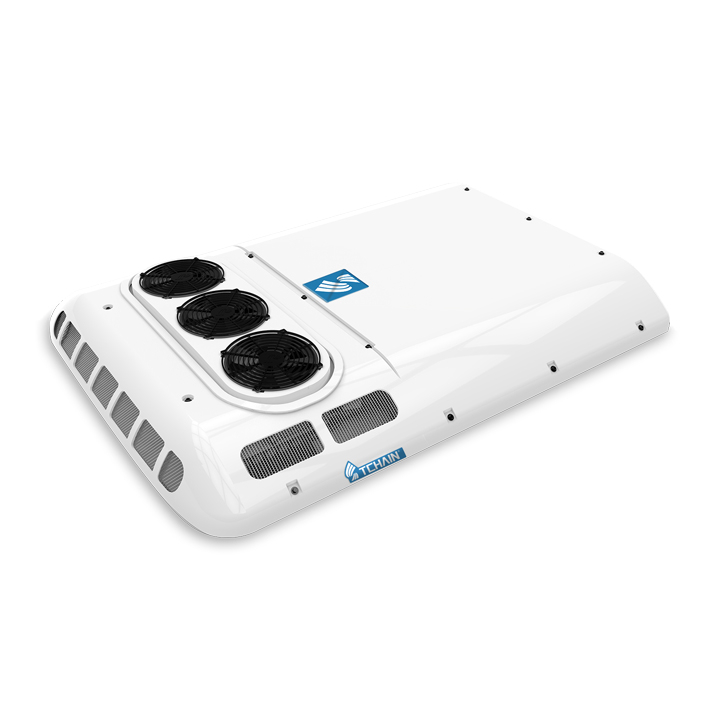
TCHAIN’s rooftop air conditioners are ideal for buses of all sizes and offer high efficiency and durability. These units are designed for easy installation, making them an excellent choice for fleets looking to save space and minimize the complexity of maintenance. Rooftop systems also provide better airflow distribution, ensuring that the entire bus remains cool.
Benefits of Rooftop Bus AC:
● Efficient space utilization
● Low maintenance costs
● Quick and easy installation
● Better air circulation throughout the bus
For buses where space is at a premium, TCHAIN offers built-in air conditioners that integrate seamlessly into the bus body. These systems provide a sleek and clean design while maintaining powerful cooling capabilities. Built-in units are ideal for buses where maintaining exterior aesthetics is important, or where roof space is limited.
A built-in bus air conditioner offers several benefits, including a sleek and modern design that integrates seamlessly into the bus’s structure. Its space-saving features are ideal for buses with limited interior room, while also ensuring quiet and efficient operation. This design not only enhances the overall aesthetics of the bus but also provides optimal cooling without compromising on comfort or performance.
Cooling double-decker buses presents unique challenges because of the two levels. TCHAIN’s double-decker bus air conditioners are engineered to ensure uniform cooling across both floors, avoiding the common issue of uneven cooling, where one floor can become too hot or too cold.
A double-decker bus air conditioner provides several advantages, including even temperature distribution across both floors, ensuring that all passengers remain comfortable regardless of their location. It is designed to optimize airflow in high-capacity buses, effectively cooling the entire space. This ensures maximum comfort for passengers on both levels, maintaining a pleasant environment throughout the journey.
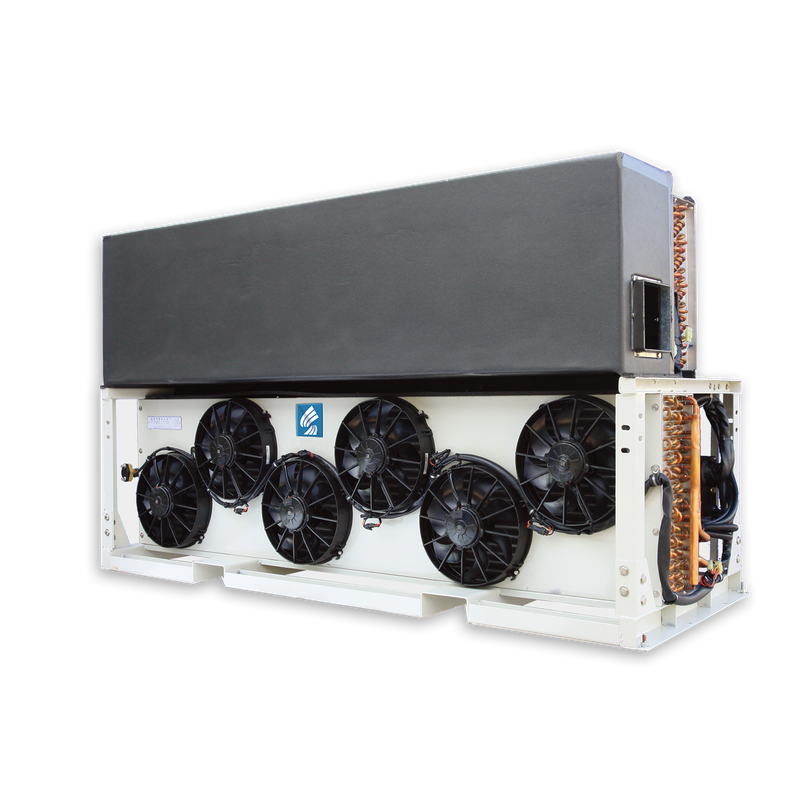
As the demand for electric buses increases, TCHAIN has introduced a range of electric bus air conditioners designed to cater to these vehicles' specific needs. These systems are energy-efficient and environmentally friendly, providing the required cooling performance without compromising the bus’s overall energy consumption.
Benefits of Electric Bus AC:
● Designed specifically for energy-efficient electric buses
● Reduced environmental impact
● Lower operational costs
Fleet managers must assess their fleet's specific requirements before selecting a bus air conditioner. Factors like bus size, type of route, and passenger capacity are all crucial in determining which system will work best. TCHAIN offers a variety of air conditioning units, including rooftop, built-in, and electric bus air conditioners, allowing managers to select the ideal option based on their fleet's requirements.
While the initial investment is important, the long-term savings achieved from energy-efficient models should be factored in when choosing a bus air conditioner. TCHAIN’s cost-effective solutions provide the best of both worlds: high performance and energy efficiency, ensuring that fleet managers achieve both upfront savings and long-term returns on their investment.
Modern bus air conditioners come equipped with a host of advanced features, such as smart climate control, automatic temperature adjustments, and noise reduction. TCHAIN’s air conditioners are built with high-precision testing instruments, including German helium leak detection devices, ensuring that each unit meets the highest standards of quality and performance.
Energy efficiency ratings are a critical factor when selecting a bus air conditioner. A high-efficiency system uses less power while still providing effective cooling, lowering overall operational costs. TCHAIN’s air conditioners are designed to optimize energy consumption, helping fleet owners save money in the long run.
When selecting a bus air conditioner, the return on investment (ROI) should be a key consideration. Choosing energy-efficient units reduces energy consumption, minimizing fuel costs and increasing overall savings over time. TCHAIN’s products are engineered to deliver the highest ROI, ensuring that fleet managers not only achieve savings but also contribute to a greener future.
Routine maintenance is crucial to keep bus air conditioners running efficiently over the long term. TCHAIN’s air conditioners are built for durability and require minimal maintenance, reducing the frequency of repairs and ensuring a longer service life. Fleet managers can take advantage of TCHAIN’s national service network, which ensures that any necessary maintenance or repairs are carried out quickly and effectively.
It is essential to monitor the performance of bus air conditioners regularly to identify early signs of wear and tear. Common signs of malfunction include reduced cooling performance, strange noises, and frequent cycling of the system. Fleet managers can rely on TCHAIN’s after-sales service team to address these issues promptly, minimizing downtime and ensuring that the fleet continues to operate smoothly.
Choosing the right bus air conditioner is a critical decision for fleet managers. By understanding the various factors that impact the selection process—from bus size and climate conditions to energy efficiency and maintenance requirements—fleet owners can make an informed decision that benefits both their passengers and their bottom line. With over 36 years of experience, TCHAIN offers a comprehensive range of high-quality, energy-efficient bus air conditioners tailored to meet the needs of diverse fleets. Whether for city buses, long-distance coaches, or electric vehicles, TCHAIN’s solutions provide comfort, reliability, and cost-efficiency, making them the perfect partner for any fleet manager looking to ensure a positive travel experience for their passengers while achieving operational savings.
A: A bus air conditioner is a system designed to regulate the temperature and air quality inside a bus, ensuring comfort for passengers. It helps maintain a cool environment, especially in hot climates, by removing excess heat and humidity.
A: A bus air conditioner works by circulating refrigerant to cool the air inside the bus. It absorbs heat from the air and releases it outside, maintaining an optimal internal temperature and air quality for passengers.
A: Choosing the right bus air conditioner ensures passenger comfort, improves air quality, and enhances operational efficiency. A suitable system can also reduce energy costs and contribute to a more sustainable fleet operation.
A: When selecting a bus air conditioner, consider factors like bus size, climate conditions, energy efficiency, maintenance requirements, and the type of bus (e.g., electric or double-decker) to ensure optimal performance.


