
Views: 0 Author: Site Editor Publish Time: 2026-03-05 Origin: Site


In the rapidly evolving world of transportation, fleet operators are continually looking for ways to optimize performance, improve efficiency, and reduce costs. One area that offers substantial improvement is the fleet’s HVAC (Heating, Ventilation, and Air Conditioning) systems. Upgrading to more modern, energy-efficient air conditioning systems in 2026 is no longer just a luxury but a necessity. Not only do these systems boost comfort for drivers and passengers, but they also enhance the overall environmental and economic sustainability of fleet operations. In this article, we will explore the top five benefits of upgrading your fleet's HVAC systems, focusing on transport air conditioning systems, and how these benefits help fleet operators meet the demands of the modern world.
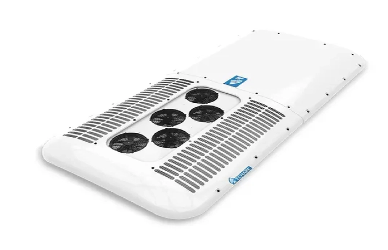
Transport air conditioning systems are essential for maintaining a comfortable environment within fleet vehicles, whether buses, trucks, or trains. The primary purpose of HVAC systems in these vehicles is to regulate the internal temperature, ensuring that both drivers and passengers are comfortable regardless of the weather outside. However, HVAC systems do more than just provide comfort; they play a critical role in maintaining vehicle performance.
In addition to controlling temperature, HVAC systems help with air quality, humidity control, and overall vehicle health. These systems can significantly impact fuel efficiency and contribute to reducing the frequency and costs of maintenance. With modern HVAC systems, fleet operators can ensure that their vehicles run optimally, improving the overall fleet performance and reducing downtime.
By 2026, the transportation industry will have advanced significantly, and HVAC systems must keep pace with these changes. As fuel costs rise and environmental regulations tighten, upgrading HVAC systems offers fleet owners an opportunity to stay competitive while meeting sustainability goals. The new generation of air conditioning systems offers advanced features such as energy efficiency, predictive maintenance, and environmentally friendly refrigerants, all of which contribute to reducing operational costs and increasing overall efficiency.
Moreover, passengers and drivers alike now have higher expectations for comfort, making it vital to upgrade systems that meet these standards. Advanced HVAC systems are also increasingly integrated with smart technology, providing real-time data for fleet management, predictive alerts for maintenance, and precise control over climate conditions.
One of the most significant benefits of upgrading transport air conditioning systems is the improvement in energy efficiency. Traditional HVAC systems are known to consume a large amount of fuel, particularly in heavy-duty vehicles like buses, trucks, and commercial fleets. These older systems are not optimized for energy use and can result in higher fuel consumption, leading to increased operating costs.
Upgrading to modern HVAC systems that use cutting-edge technology can reduce fuel consumption dramatically. Modern air conditioning systems are designed to use less energy while providing the same level of comfort. Advanced compressors, energy-efficient refrigerants, and improved thermal management systems are just a few of the innovations that make these systems far more energy-efficient than their older counterparts.
The savings don’t end with reduced fuel consumption. By investing in more energy-efficient transport air conditioning systems, fleet operators can also enjoy long-term savings. Modern HVAC systems are built to last longer, require fewer repairs, and consume less energy, all of which lead to lower operating costs over time. Additionally, the energy savings can have a significant impact on a fleet’s bottom line, especially as energy prices continue to rise.
Below is a comparison of the estimated annual fuel cost savings for fleets that upgrade their HVAC systems versus those that continue to use older models.
HVAC System Type |
Annual Fuel Consumption (L) |
Estimated Annual Fuel Savings (%) |
Estimated Annual Fuel Cost (USD) |
Traditional System |
50,000 |
- |
100,000 |
Upgraded System |
40,000 |
20% |
80,000 |
For fleet vehicles, particularly those used in public transportation, driver comfort is essential. Long hours behind the wheel in a poorly functioning HVAC system can lead to driver fatigue, discomfort, and even health issues. An upgraded air conditioning system ensures a consistent, comfortable temperature in the vehicle, which can enhance driver focus and overall productivity.
A comfortable environment helps reduce distractions caused by heat or humidity, enabling drivers to concentrate on the road, which, in turn, improves safety. Studies have shown that well-maintained HVAC systems can also help improve a driver's mood and performance during long shifts, leading to fewer accidents and less vehicle wear and tear.
For public transport fleets, such as buses and trains, passenger comfort is paramount. Passengers expect a comfortable and pleasant journey, especially when they are traveling for extended periods. A well-functioning HVAC system plays a crucial role in creating a positive experience for passengers. This is particularly true in regions with extreme temperatures, where HVAC systems that don’t function properly can lead to unhappy customers and lower ridership.
Upgrading to modern systems ensures that passengers remain comfortable no matter the weather, leading to higher customer satisfaction, increased ridership, and better reviews for transportation services.
Environmental sustainability is becoming increasingly important in the transportation industry. With growing concerns about climate change and increasing regulatory pressure on emissions, fleet operators must look for ways to reduce their environmental footprint. Upgrading to modern HVAC systems helps fleets comply with emissions standards while also reducing their overall carbon footprint.
Modern HVAC systems are designed with energy efficiency in mind and typically use environmentally friendly refrigerants. These systems help fleets reduce the amount of energy they consume and lower harmful emissions, contributing to a cleaner and more sustainable future for the industry.
Governments worldwide are setting stricter environmental regulations for fleet operators, especially regarding emissions from air conditioning systems. Older HVAC systems often use refrigerants that are harmful to the environment, such as R-22, which has been phased out due to its ozone-depleting properties. By upgrading to newer systems that use alternative refrigerants, fleet operators can ensure compliance with the latest environmental regulations.
Table 2 below shows the comparison of refrigerants used in older and modern HVAC systems, highlighting their environmental impact.
Refrigerant Type |
Ozone Depletion Potential (ODP) |
Global Warming Potential (GWP) |
Status |
R-22 (Old System) |
0.05 |
1700 |
Phased Out |
R-134a (Modern) |
0 |
1300 |
Approved |
R-1234yf (Modern) |
0 |
4 |
New Standard |
As technology advances, so do the capabilities of transport air conditioning systems. Today’s HVAC systems are integrated with smart technology, offering features like automatic climate control, real-time temperature monitoring, and self-adjusting systems that optimize energy use. These smart systems can monitor internal and external temperatures and adjust the air conditioning output accordingly, ensuring optimal comfort with minimal energy consumption.
Additionally, these smart systems can provide fleet managers with real-time data on the performance of the HVAC system, allowing them to schedule maintenance proactively and avoid costly breakdowns.
Modern HVAC systems often come with predictive maintenance capabilities, which use real-time data and analytics to forecast potential issues before they become serious problems. This allows fleet managers to address HVAC issues proactively, minimizing downtime and reducing repair costs. Predictive maintenance can also help extend the lifespan of the HVAC system, providing further savings in terms of both operational costs and system replacement.
One of the most significant advantages of upgrading your fleet’s HVAC systems is the reduction in maintenance costs. Older HVAC systems are prone to frequent breakdowns and repairs, which can lead to costly downtime and lost productivity. Newer HVAC systems, on the other hand, are built with durability and reliability in mind. With fewer repairs and less downtime, fleet operators can keep their vehicles on the road longer, improving their overall efficiency and cost-effectiveness.
Modern transport air conditioning systems are designed to be more durable than their predecessors, offering longer service life and fewer maintenance issues. Fleet operators can expect to see significant improvements in the longevity of their HVAC systems after upgrading, which reduces the need for frequent replacements and repairs. This further contributes to long-term savings and operational efficiency.
Upgrading HVAC systems leads to reduced fuel consumption, increased energy efficiency, improved driver and passenger comfort, lower environmental impact, and reduced maintenance costs.
Modern HVAC systems use less energy, optimize climate control, and reduce fuel consumption, resulting in significant savings on operational costs.
Yes, modern HVAC systems use environmentally friendly refrigerants and advanced technology that reduces energy consumption and harmful emissions.
Upgrading HVAC systems improves comfort, reduces distractions from uncomfortable temperatures, and contributes to higher safety and productivity for drivers, while enhancing passenger satisfaction in public transport fleets.
Upgrading your fleet's HVAC systems is a smart investment that will deliver long-term benefits in energy efficiency, driver and passenger comfort, environmental sustainability, and cost savings. By making the switch to modern transport air conditioning systems in 2026, fleet operators can not only reduce their carbon footprint and meet regulatory standards but also enhance the operational efficiency of their vehicles. The improved reliability, advanced features, and reduced maintenance costs of modern HVAC systems make upgrading an essential step for any fleet looking to stay competitive and sustainable in the coming years.


