
丨
Phone: +86-139-2823-3177
Ever wondered how to recharge your RV air conditioner? It's essential for maintaining comfort during your RV trips.
In this article, we will explore the steps to safely recharge your RV air conditioner and explain the risks of DIY methods. You'll also learn how to troubleshoot common problems to keep your system running efficiently.
Recharging an RV air conditioner is not as simple as topping off the refrigerant like you would with a home air conditioner. RV air conditioners are typically sealed systems, designed to hold a certain amount of refrigerant for their lifespan. Trying to recharge them without the right tools or knowledge can lead to problems, including system damage and environmental harm due to refrigerant leaks.
Most RV air conditioners are closed systems, which means the refrigerant should only be recharged if there is a significant loss due to a leak. If your RV air conditioner is running low on refrigerant, there is a chance of a leak somewhere in the system, which should be addressed by a professional.
Many people are tempted to use a DIY kit for recharging their RV air conditioner. While these kits can seem appealing, they come with significant risks. DIY methods can damage the delicate components of the air conditioner, such as the compressor or coils, especially if the refrigerant is added incorrectly. In many cases, incorrect recharging can cause more harm than good, making the system inefficient or even completely unusable.
Tip: Always consider professional help when recharging your RV air conditioner to avoid potential damage and costly repairs. A trained technician can ensure the system is recharged properly and safely.
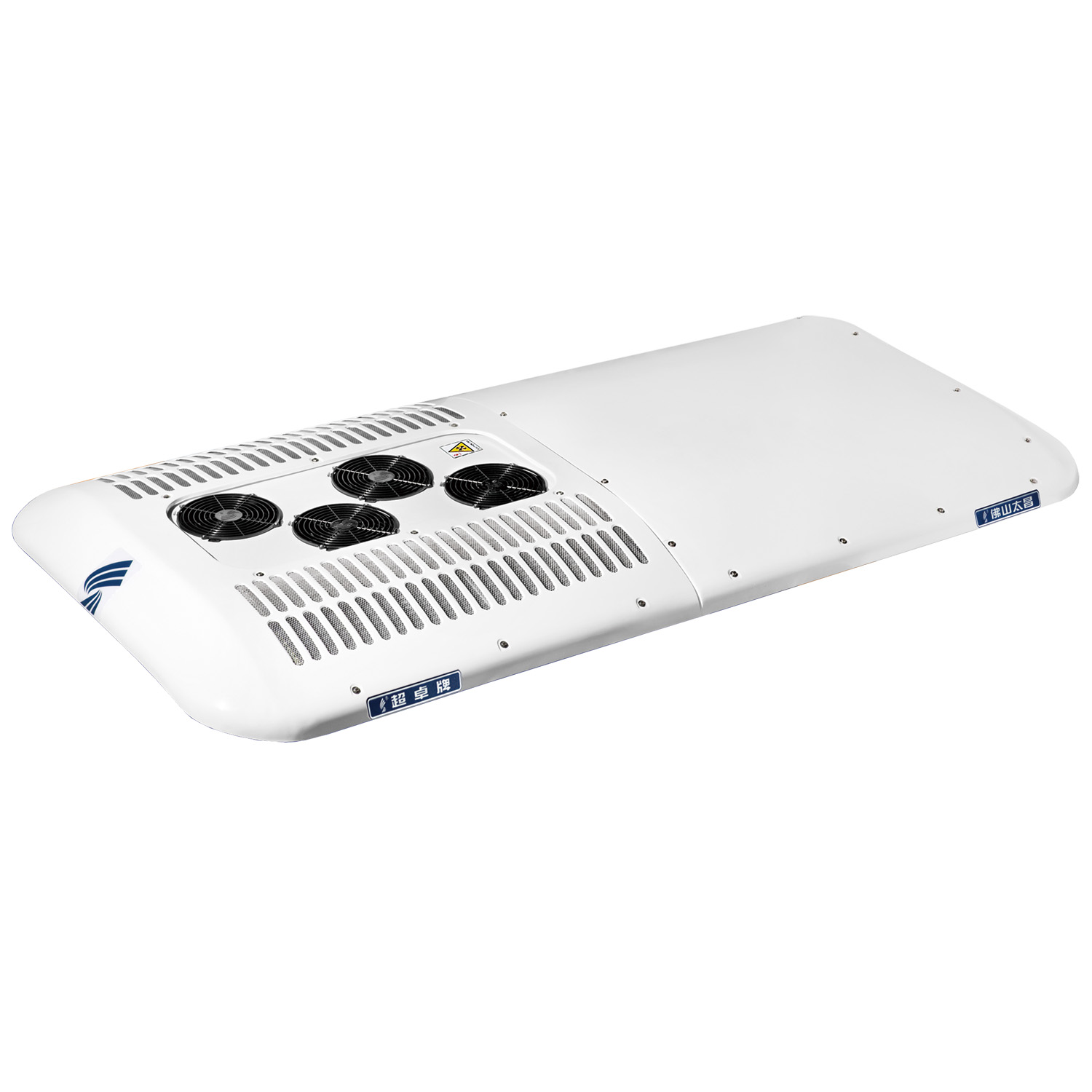
Before attempting to recharge your RV air conditioner, you need to know which refrigerant type your unit uses. Most RV air conditioners run on refrigerants like R-410A or R-22, but it's important to check the label or user manual for the exact specifications. Using the wrong type of refrigerant can cause system failure and damage the air conditioner.
You’ll also need the right tools: a refrigerant gauge set, a can of refrigerant, and potentially a line tap for certain models. The refrigerant gauge will help you measure the pressure of the system and determine if the unit needs refrigerant. The line tap allows you to connect the refrigerant can to the air conditioner without causing leaks.
Safety is the top priority when working with any electrical appliance. Ensure that the RV air conditioner is turned off and that the power is disconnected before you begin. This reduces the risk of electric shock or accidental damage during the recharging process.
Also, make sure the unit is completely powered down before you open it up to prevent any electrical accidents.
Depending on the model of your RV air conditioner, you may need to remove the exterior panels or the unit casing to access the refrigerant port. This can often be a straightforward process, but it's essential to take care when opening the unit, as debris such as dust, dirt, or even insects can build up over time. It's a good idea to clean the coils and filters at this point to improve the unit’s efficiency. A clean air conditioner runs better and consumes less power.
Using your refrigerant gauge, check the current refrigerant levels in your RV air conditioner. If the refrigerant level is too low, it is time to recharge the system. It's important to ensure that the refrigerant is added slowly and steadily, as overcharging can damage the unit.
Use the pressure readings on the gauge to determine whether the refrigerant levels are low or normal. For most systems, the normal pressure should be between 45 to 60 psi when the air conditioner is running.
Once you've confirmed that the refrigerant level is low, slowly add the appropriate refrigerant type through the refrigerant valve, using the tools you’ve prepared. Make sure to follow the manufacturer’s recommended charging procedure. Adding too much refrigerant can cause pressure to build up in the system, leading to inefficiency or mechanical failure.
As you add refrigerant, monitor the system’s pressure and ensure it stabilizes within the recommended range. Overcharging the system can cause it to overheat, reducing its cooling efficiency.
Once the system is recharged, reassemble the RV air conditioner unit. Ensure that the external panels are securely placed, and that any safety covers or protective casings are properly fixed. Any loose components may allow dirt or water to enter the system, which can affect its operation.
After securing the unit, check that all parts are tightly sealed and that no tools or debris are left inside the unit. This ensures the system remains in optimal working condition.
After the recharging process, turn the RV air conditioner back on and check its performance. Ensure that the system is cooling effectively, and that no error codes are displayed on the control panel. It may take a few minutes for the system to stabilize after being recharged.
Use a thermometer to measure the temperature difference between the intake and the exhaust. A healthy air conditioner should have a 20°F difference. If the temperature difference is lower, it may indicate an issue with the refrigerant or airflow.
Before you start adding refrigerant, make sure that airflow isn't restricted. A dirty or clogged air filter can cause the RV air conditioner to overwork, leading to inefficiency and excessive power usage. Cleaning or replacing the filters is one of the simplest ways to improve cooling performance.
Airflow blockages can lead to overheating and compressor damage, so ensure the air vents and filters are clean and clear of obstructions.
In some cases, poor cooling could be due to voltage fluctuations rather than low refrigerant. Check the voltage supply to your RV air conditioner using a multimeter to ensure it is getting the right power. Incorrect voltage can lead to poor performance or system damage.
The RV air conditioner typically requires a steady supply of 115V AC power. Fluctuating voltage can cause the system to operate inefficiently, increasing power consumption.
If your RV air conditioner isn't cooling the RV effectively, check the temperature drop across the unit. Typically, the difference between the intake air and the exhaust should be around 20°F. A smaller temperature drop can indicate low refrigerant or airflow issues.
If the temperature difference is below 10°F, it suggests the RV air conditioner is underperforming due to insufficient refrigerant or a blocked airflow path.
If troubleshooting doesn't resolve the issue and the system still fails to cool properly, it’s best to call a professional. Refrigerant leaks are often the root cause of cooling problems and require specialized equipment to fix. Professional technicians are trained to identify and repair leaks, ensuring the system is safely recharged.
RV AC Size | Running Wattage | Starting Wattage |
7,000 BTU | 600 watts | 1,200 watts |
10,000 BTU | 800 watts | 1,500 watts |
13,500 BTU | 1,200 watts | 2,500 watts |
15,000 BTU | 1,500 watts | 3,000 watts |
Tip: Check the specifications on your RV air conditioner or refer to the user manual to get accurate wattage data, as different manufacturers may have slight variations in power requirements.
Recharging your RV air conditioner is essential for maintaining efficiency. Understanding the right steps ensures you avoid damage and keep your system working effectively. If you're unsure about recharging, professional help is always a good option. FOSHAN SHUNDE TAICHANG VEHICLE TECHNOLOGY CO., LTD. offers reliable RV air conditioners that are efficient, durable, and designed to provide long-lasting cooling comfort on the road.
A: If your RV air conditioner is not cooling effectively, or if the temperature drop between intake and exhaust is small, it may be low on refrigerant.
A: While DIY kits are available, recharging your RV air conditioner without proper tools or knowledge can cause system damage. It's safer to consult a professional.
A: Poor cooling can be due to low refrigerant, blocked airflow, or voltage issues. It's important to diagnose and fix the root cause before recharging.
A: RV air conditioners typically don’t require frequent recharging unless there's a leak. Always check refrigerant levels if the system isn't cooling effectively.


