
丨
Phone: +86-139-2823-3177
Have you ever faced an issue where your RV air conditioner stops working during a road trip? It's a frustrating problem, but a reset may be the simple solution.
In this article, we’ll walk you through the step-by-step process of resetting your RV air conditioner. You’ll learn common causes for a reset, methods to perform it, and troubleshooting tips for the best results.
Power fluctuations are frequent in RVs due to the nature of their electrical systems, especially when switching between shore power, inverter, or generator power. These fluctuations can trip circuit breakers or cause the system to stop functioning properly. A power surge or an interruption can affect the internal components of the RV air conditioner, resulting in it not starting up or responding to commands.
Tip: Power surges may trip the circuit breaker, requiring a simple reset. Unstable voltage can also cause system glitches, which can be cleared by resetting the RV air conditioner.
Overheating is another common issue, particularly if the RV air conditioner has been running for an extended period. If airflow is restricted (such as from clogged filters or blocked vents), the system may overheat and automatically shut down as a safety precaution. In this case, the RV air conditioner needs to be reset, and the source of the overheating should be addressed (e.g., cleaning the air filters or improving airflow).
Overheating can also occur due to issues with the compressor or the condenser, which can lead to a drop in cooling efficiency. If you experience frequent overheating, it is important to monitor your RV air conditioner’s cooling performance and ensure it’s receiving proper ventilation.
Tip: Prevent overheating by ensuring that vents are not blocked and filters are cleaned regularly.
Sometimes, the RV air conditioner might not cool effectively because of thermostat issues. Thermostat malfunctions, such as incorrect temperature readings or failure to communicate with the air conditioner unit, can cause your AC to underperform or malfunction entirely. Resetting the system can often fix minor issues, but persistent thermostat problems may require professional servicing.
Tip: Resetting the RV air conditioner will often recalibrate the thermostat, ensuring that it can effectively regulate temperature once more.
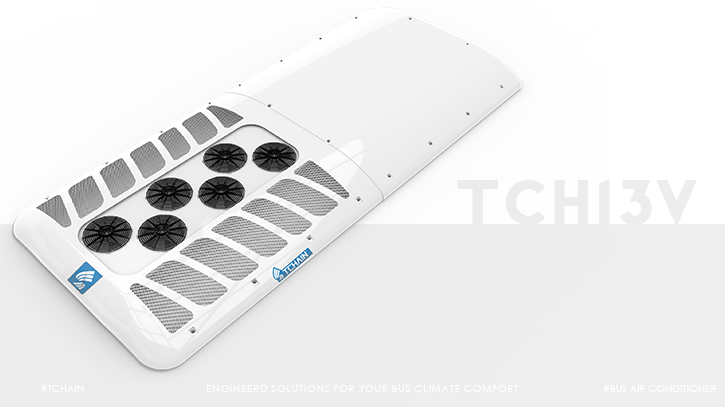
The most common and straightforward way to reset your RV air conditioner is by resetting the circuit breaker. Here's the step-by-step process:
1. Turn off the AC: Set your thermostat to "Off" to ensure that the unit is powered down.
2. Locate the Breaker: Find the circuit breaker that controls your RV air conditioner. It is typically located in the main electrical panel of the RV.
3. Switch off the Breaker: Flip the breaker to the "Off" position.
4. Wait for 1-2 Minutes: This will allow the system to reset itself by cutting off all power.
5. Flip the Breaker Back On: After the waiting period, turn the breaker back to the "On" position.
6. Restart the AC: Turn the RV air conditioner back on using the thermostat and check if the system starts cooling normally.
This method is effective for resolving common electrical glitches caused by power interruptions or surges.
Some RV air conditioners have a physical reset button, usually located on the control panel or near the compressor. If the circuit breaker reset doesn’t work, this button can be used to reboot the system and restore proper functionality.
1. Locate the Reset Button: The reset button is often small, red, or yellow in color. It may be located on the front panel or near the compressor.
2. Press and Hold: Press and hold the reset button for about 3-5 seconds.
3. Wait for Reboot: Once you release the button, wait for the unit to reboot before turning it back on.
Tip: If you can’t locate the reset button, refer to your RV air conditioner's user manual to find its exact location.
If the power interruption or issue affects the entire electrical system of the RV, you may need to reset the battery or inverter.
1. Turn off all power: Disconnect shore power, turn off the battery disconnect, and unplug any generators if you are using one.
2. Disconnect Battery or Inverter: Either disconnect the battery terminal or the inverter, depending on which power source is being used.
3. Wait 3-5 Minutes: Allow the system to fully discharge and reset.
4. Reconnect: After waiting, reconnect the battery or inverter to restore power to the system.
5. Turn on the AC: Once the power is restored, turn the RV air conditioner back on and check if it starts cooling.
This method is effective if the system-wide reset doesn’t fix the issue or if the unit is experiencing electrical failure.
Once you’ve reset your RV air conditioner, it’s crucial to check that the airflow is consistent and cool. Weak or warm airflow could indicate unresolved problems. Here's what to check:
● Vents and filters: Ensure the vents are open and unobstructed. A blocked vent can drastically reduce cooling efficiency. Also, check if the air filter is dirty and needs cleaning or replacing.
● Compressor: Listen for the compressor turning on. If you hear it running but still feel warm air, the system might be low on refrigerant. This issue requires professional servicing.
If you hear unusual sounds, such as grinding, rattling, or buzzing, your RV air conditioner could have a mechanical issue. These sounds often indicate problems with the fan, motor, or compressor. If the sound persists after a reset, further inspection is necessary.
Many RV air conditioners feature error codes that display on the control panel when a malfunction occurs. After resetting the unit, look for any error codes that appear. Some common error codes include:
● E1 or E3: Issues with the sensor or compressor.
● F1 or F2: Communication issues between the thermostat and the air conditioner.
Refer to your RV air conditioner's manual for specific troubleshooting steps for each error code.
After resetting the RV air conditioner, it’s important to wait for 3 to 5 minutes before turning the system back on. This gives the internal components time to recalibrate and settle, ensuring the system functions properly.
Why This Matters: Turning the system back on immediately can lead to electrical surges, preventing the system from restarting correctly.
Once the unit is powered back on, verify the system is working properly by:
● Checking for cool airflow: Ensure cold air starts flowing after setting the thermostat to the desired temperature.
● Listening for normal operation: The system should run quietly without unusual sounds.
● Looking for error codes: Any previously displayed error codes should be gone.
If the RV air conditioner continues to malfunction after several resets, it’s time to consult a professional. Persistent issues, such as compressor failures, refrigerant leaks, or faulty electrical components, require expert repairs.
Tip: Regular maintenance can help avoid costly repairs and extend the life of your RV air conditioner.
RV Size | Recommended BTU |
12-16 feet | 8,000 - 10,000 BTU |
16-24 feet | 13,500 BTU |
24+ feet | 15,000 - 20,000 BTU |
Multiple Zones | Dual 15,000+ BTU |
Resetting your RV air conditioner is a simple and effective solution for many common issues, from power interruptions to overheating. By following the step-by-step methods outlined above, you can troubleshoot and restore optimal performance to your unit. For long-term reliability and comfort, regular maintenance is key.
For those seeking high-quality RV air conditioners, FOSHAN SHUNDE TAICHANG VEHICLE TECHNOLOGY CO., LTD. provides durable, energy-efficient products that offer superior cooling and reliability for all your travel needs.
A: An RV air conditioner is a cooling system designed to keep your RV comfortable during hot weather. It works by circulating cool air throughout the RV when powered on.
A: To reset your RV air conditioner, turn off the breaker, wait for a minute, then turn it back on. Alternatively, use the reset button located on the unit, if available.
A: Common causes for poor cooling include clogged filters, dirty coils, or refrigerant issues. Try resetting the system or check the airflow and cleanliness of components.
A: You should only reset your RV air conditioner when necessary, such as after power surges or malfunctioning. Regular maintenance will prevent frequent resets.
A: If a reset doesn’t resolve the problem, check for common issues like blocked vents, a malfunctioning thermostat, or low refrigerant. If the problem persists, consult a professional technician.


