
丨
Phone: +86-139-2823-3177
Did you know that air conditioning systems in buses can significantly improve passenger comfort and operational efficiency? Bus Air Conditioning is a key feature that enhances the overall experience for both passengers and operators.
In this article, we will discuss the various types of bus air conditioning systems, the installation process, and essential maintenance tips. By the end, you will have a deeper understanding of how to optimize your bus’s air conditioning for better performance and longevity.
A bus air conditioning system is a mechanical system designed to cool, dehumidify, and filter the air inside the bus. The system is typically composed of several key components, including the compressor, condenser, evaporator, and refrigerant lines. These components work together to cool the interior air and maintain a comfortable environment for passengers, even in the hottest weather.
Bus air conditioning systems are essential for long-distance travel, urban buses, and any vehicle that operates in hot climates. Depending on the bus type, different systems might be used, including engine-driven, sub-engine, and electric-powered AC units.
The benefits of bus air conditioning are far-reaching, impacting both passengers and operators. For passengers, the most obvious benefit is comfort. Air conditioning ensures a cool and pleasant environment during the journey, reducing the discomfort caused by heat. Additionally, air conditioning helps to filter out pollutants and allergens, contributing to better air quality inside the bus.
For bus operators, having an effective air conditioning system can lead to higher customer satisfaction and repeat business. It also contributes to the overall longevity and reliability of the bus, as temperature regulation helps protect sensitive components like electronics and seats from excessive heat damage.
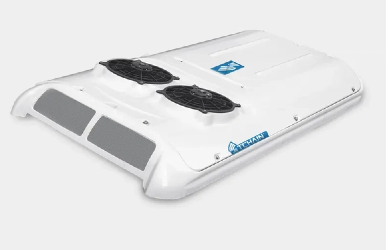
Diesel engine-driven air conditioning systems are the most common type of AC used in traditional buses. These units rely on the engine’s power to drive the compressor, which circulates refrigerant throughout the system. Diesel-driven systems offer high cooling capacity and are typically cost-effective.
However, one significant drawback of engine-driven systems is that they cannot operate when the bus is parked. This limitation can be problematic in situations where cooling is needed even when the bus is stationary. To overcome this, sub-engine AC systems are often recommended.
Electric buses represent a more modern approach to transportation, and their air conditioning systems are powered by high-voltage batteries. These systems offer several advantages, such as the ability to operate while the bus is parked, unlike their diesel counterparts.
Electric bus air conditioning units are generally more energy-efficient and environmentally friendly, as they produce no emissions during operation. These systems also tend to have better cooling performance and can be integrated with the bus’s onboard power management systems to optimize energy consumption.
Mini buses, which are often used for shorter routes and smaller passenger loads, require different types of air conditioning solutions. These units are typically 12V or 24V systems, which provide lower cooling capacity compared to larger bus systems. Mini bus air conditioning units are more suited to milder climates and short-distance trips.
The cooling capacity of these units makes them ideal for regions with moderate temperatures. However, they may not be sufficient for areas that experience extreme heat, as the system's ability to maintain a comfortable temperature could be limited.
Before installing a bus air conditioning unit, the roof opening must be prepared to match the unit's specifications. This step is critical because improper sizing of the opening can lead to installation difficulties and potential air leaks. Ensure the dimensions are accurate and that the opening is clear of any debris.
Tip: A clean and properly-sized opening is essential for proper sealant application and secure mounting of the AC unit.
Once the roof opening is ready, the air conditioning unit must be carefully mounted. This involves securing it with bolts, shock absorbers, and high-quality sealants. Sealing around the unit is important to prevent air leaks and maintain energy efficiency.
The sealant should be applied evenly around the edges to ensure the unit is tightly secured. Additionally, it is crucial to ensure that the unit is aligned properly with the roof to avoid any strain on the system during operation.
Proper pipe installation is vital for the bus air conditioning system’s functionality. The drainage pipe should be connected to the evaporator and led outside the bus to prevent water accumulation inside the vehicle. It is important to secure the pipes to avoid compression and damage.
For refrigeration, the system’s pipes must be connected between the evaporator and the condenser. Use refrigeration oil to ensure the sealing rings are lubricated for a secure fit.
Component | Installation Task | Tip |
Drainage Pipe | Connect to evaporator and route outside bus | Avoid sharp bends that may cause blockages. |
Refrigeration Pipes | Connect between evaporator and condenser | Apply refrigeration oil to ensure leak-proof connections. |
The compressor is the heart of the air conditioning system, responsible for circulating refrigerant throughout the system. During installation, the compressor must be mounted securely to the bus chassis. Ensure that shock absorbers are used to minimize vibrations, which can affect system performance.
Additionally, the compressor should be connected to the bus engine via a drive belt. The belt must be tight to prevent slippage and ensure the compressor operates efficiently.
After installation, a final inspection is necessary to verify that all components are working correctly. Check the refrigeration system for leaks using nitrogen, then charge the system with refrigerant. Start the system and monitor its operation, listening for any unusual noises or vibrations.
Tip: Performing a pressure test before charging the system ensures that there are no leaks in the refrigeration lines, helping to prevent refrigerant loss.
Bus air conditioning units operate using a closed-loop refrigeration cycle that involves four key steps: compression, condensation, expansion, and evaporation. The compressor compresses refrigerant, which moves through the condenser where it cools and condenses into a liquid. The refrigerant is then expanded before entering the evaporator, where it absorbs heat from the bus’s interior air.
This cycle repeats continuously to keep the air inside the bus cool and comfortable for passengers. The thermostat regulates the cycle, turning the system on or off based on the desired temperature.
Each component of the bus air conditioning system plays an important role in ensuring proper cooling. The compressor is responsible for circulating the refrigerant, while the condenser expels the heat from the system. The evaporator absorbs heat inside the bus, and the thermostat regulates the temperature by controlling refrigerant flow.
Proper maintenance of these components ensures long-term efficiency and prevents common issues such as overheating or poor cooling performance.
One of the most common installation mistakes is improper sealing around the AC unit, which leads to air leaks and reduced efficiency. Always ensure that high-quality sealants are applied and that the seals are checked regularly for wear and tear.
Another mistake is improper refrigerant handling, such as overcharging or undercharging the system. This can lead to poor cooling performance or damage to the compressor. Always follow the manufacturer's guidelines for refrigerant levels to avoid these issues.
Inadequate mounting of the AC unit can result in vibrations that reduce the system’s lifespan and cooling efficiency. Use shock-absorbing materials and secure all components tightly to avoid this problem.
Routine maintenance is key to keeping the air conditioning system running smoothly. Clean filters, check refrigerant levels, and inspect drainage pipes on a monthly basis. Quarterly tasks should include checking for leaks and ensuring that all mounting bolts are tight.
Common issues such as poor cooling or high energy consumption can be addressed with regular maintenance. For instance, dirty filters can block airflow, while low refrigerant levels can reduce the system’s cooling capacity.
In this article, we explored the importance of Bus Air Conditioning systems for both passenger comfort and operational efficiency. We discussed the various types of air conditioning systems used in buses, including engine-driven and electric-powered systems. Installation steps and common maintenance practices were also covered to help ensure long-term reliability.
FOSHAN SHUNDE TAICHANG VEHICLE TECHNOLOGY CO., LTD. offers high-quality bus air conditioning solutions designed for optimal performance. Their products provide exceptional cooling, energy efficiency, and reliable service, making them a valuable choice for operators looking to enhance passenger experience.
A: A Bus Air Conditioning system is a mechanical system designed to cool, dehumidify, and filter the air inside the bus. It helps maintain passenger comfort and air quality, especially in hot weather.
A: Bus Air Conditioning ensures a cool and comfortable environment for passengers, reducing discomfort caused by heat. It also improves air quality by filtering out pollutants and allergens.
A: Regular maintenance is crucial for maintaining optimal cooling performance, extending the system's lifespan, and preventing common issues such as poor airflow or refrigerant leaks in Bus Air Conditioning systems.
A: The cost of installing a Bus Air Conditioning system varies based on the type of bus, system size, and installation complexity. Generally, it can range from a few thousand to tens of thousands of dollars.
A: Electric Bus Air Conditioning systems are more energy-efficient, environmentally friendly, and capable of operating even when the bus is parked, unlike diesel-driven systems.


