
丨
Phone: +86-139-2823-3177
Ever wondered how long your Parking Air Conditioner can run when your vehicle is parked? It's a common concern, especially for long-haul drivers.
In this article, we’ll explore how long parking air conditioners can operate using only the vehicle's battery. You’ll also learn how to optimize its usage and save energy while ensuring a cool environment.
A Parking Air Conditioner is an air conditioning system that operates while the vehicle is parked, ensuring that the interior remains cool without the need for the engine to be running. These systems are powered by the vehicle's battery, which can either be 12V or 24V, depending on the specifications of the vehicle. The primary function of these air conditioners is to maintain a comfortable environment inside the vehicle, especially for drivers who need to rest in their vehicles during breaks or overnight stays.
Parking air conditioners are commonly used in trucks, RVs, construction machinery, and agricultural vehicles. They provide much-needed cooling without consuming fuel or causing environmental pollution. In fact, parking air conditioners have become an essential component for long-distance drivers and operators working in harsh environments, offering a better and more comfortable experience during their time off the road.
Parking air conditioners are available in different types to suit various vehicles and environments. These include:
● 12V vs. 24V Parking Air Conditioners:
○ 12V systems are commonly used in smaller vehicles like RVs and vans, as these vehicles typically run on a 12V battery.
○ 24V systems are more common in larger commercial vehicles, such as trucks and construction equipment. These vehicles usually require more power, and a 24V system can deliver the necessary performance for cooling larger spaces.
● Rooftop vs. Split ACs:
○ Rooftop Parking Air Conditioners are mounted on the roof of the vehicle, offering a compact and efficient solution for larger vehicles. These are ideal for trucks and buses.
○ Split Parking Air Conditioners consist of two separate units: an internal unit inside the vehicle and an external unit mounted outside the vehicle. This system is often used in vehicles with different installation requirements or space constraints.
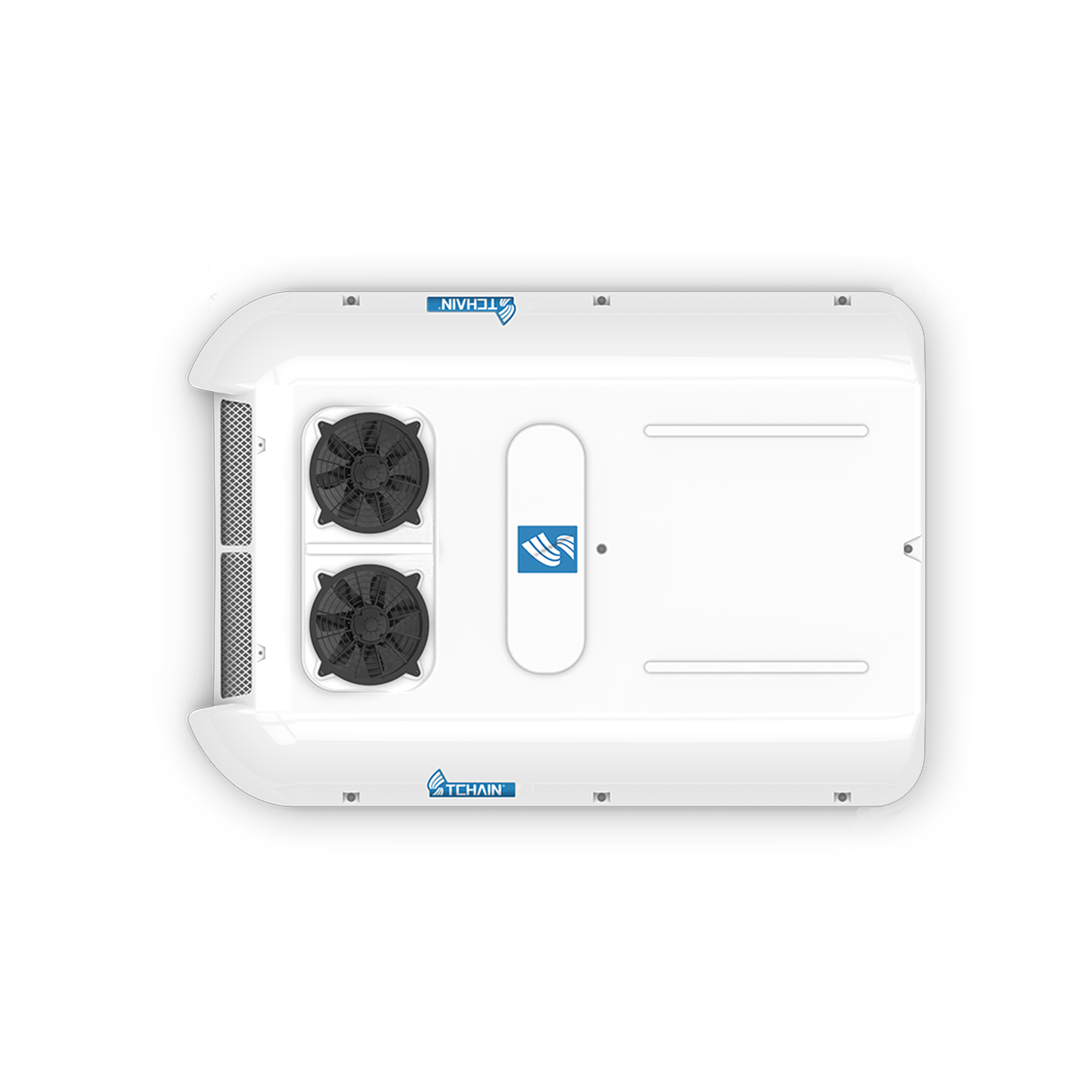
Parking air conditioners use the vehicle's DC battery to power the system while the engine is off. This means the system doesn’t rely on the engine to function, unlike conventional air conditioning systems. The primary components of the parking air conditioner include the compressor, evaporator, condenser, and fan, all of which work together to provide cooling.
The compressor draws in refrigerant and compresses it to a high pressure, while the condenser cools the compressed gas and converts it into a liquid state. The evaporator then absorbs the heat from the air inside the vehicle, causing the refrigerant to evaporate and release the cooled air into the vehicle's cabin.
This process helps maintain a comfortable temperature inside the vehicle, ensuring that drivers can rest in a cool environment even without the engine running.
The duration that a parking air conditioner can run depends primarily on the battery capacity and the power consumption of the air conditioning unit. The running time can be estimated by considering both the vehicle’s battery capacity and the total power consumption of the AC system.
For example, if a truck has a 24V, 200Ah battery and the parking air conditioner uses a total of 1124W of power, the expected running time can be calculated by dividing the available energy from the battery by the power consumption of the AC unit. In simple terms, a larger battery will naturally provide more power, allowing the air conditioner to run for longer periods, while higher power AC systems will deplete the battery faster.
Several factors influence how long a parking air conditioner can run:
● Battery Capacity: A larger battery will provide more power, allowing the air conditioner to run longer before needing a recharge.
● Air Conditioner Power: Systems that consume more power will deplete the battery faster, reducing the available runtime.
● Energy-Saving Features: Many modern parking air conditioners are equipped with smart energy-saving functions, such as variable frequency drives, which adjust the compressor speed based on the cooling demand. These features help extend the runtime by reducing power consumption when the system is under light load.
Under typical conditions, a 24V, 200Ah battery can power a parking air conditioner for approximately 4 hours and 18 minutes at maximum load. However, modern Parking Air Conditioning units often feature energy-saving functions that can significantly increase the runtime. For example, when the fan speed is reduced and the temperature is set to a reasonable level, the system can run for up to 8 hours or more.
Factor | Impact on Running Time |
Battery Capacity | Larger capacity allows for longer runtime. |
Air Conditioner Power | Higher power consumption reduces available time. |
Energy-Saving Features | Smart features can extend runtime by reducing power usage. |
To optimize the running time of your Parking Air Conditioning system, consider the following:
● Reduce Fan Speed and Temperature: Lowering the fan speed and setting the temperature to a moderate level can significantly reduce the power usage of the system.
● Add an Extra Battery: Installing an additional battery can double the available power, allowing the air conditioner to operate for longer periods without draining the primary vehicle battery.
Modern Parking Air Conditioning systems come with variable frequency compressors and smart energy-saving features that adjust power consumption based on the cooling needs of the vehicle. These features are essential for drivers who need to keep their vehicles cool for extended periods, such as during overnight stops. The system adjusts its output based on the ambient temperature and internal load, ensuring optimal energy efficiency.
By eliminating the need for the engine to run while the vehicle is parked, Parking Air Conditioning systems save on fuel costs. For example, a truck that idles for 2,500 hours per year can consume over 2500 gallons of diesel. A parking air conditioner eliminates this idle time, potentially saving over $10,000 per truck annually. This savings, combined with the reduced need for maintenance on the engine, makes parking air conditioners a cost-effective choice for fleet operators.
Since Parking Air Conditioning systems rely on electricity from the vehicle’s battery rather than diesel fuel, they contribute to reducing environmental pollution. Traditional idling causes unnecessary emissions, while parking air conditioners are a more eco-friendly alternative. By reducing fuel consumption, these systems help decrease carbon footprints, making them ideal for companies looking to improve their environmental sustainability.
Parking Air Conditioning systems are designed to last between 12 to 15 years, depending on the usage and regular maintenance. These units require minimal maintenance, with routine tasks such as filter cleaning and battery checks required. The systems also benefit from minimal installation costs, and no special technical experience is required, making them accessible and cost-efficient for operators.
Parking air conditioners are essential for ensuring a comfortable and cool environment inside parked vehicles. By using electricity from the vehicle's battery, these systems provide significant cooling without the need for the engine to be running. The duration a parking air conditioner can run is primarily determined by the battery's capacity, the AC's power consumption, and the presence of energy-saving features. With the right setup, drivers can enjoy up to 8 hours of cooling time.
For those looking to invest in reliable Parking Air Conditioning systems, FOSHAN SHUNDE TAICHANG VEHICLE TECHNOLOGY CO., LTD. offers high-quality products designed for superior cooling performance and energy efficiency. Their systems provide long-lasting comfort, significant fuel savings, and eco-friendly solutions for vehicles of all sizes.
A: A Parking Air Conditioner is a system that cools the vehicle when it is parked, using the vehicle's DC power supply. It helps maintain a comfortable temperature inside without running the engine.
A: The duration depends on the vehicle's battery capacity and the air conditioner's power consumption. Typically, it can run for 4-8 hours, especially with energy-saving features.
A: A Bus Air Conditioning system offers efficient cooling, energy savings, and long-term performance, ideal for vehicles that need to run cooling systems while parked.
A: To extend usage, you can reduce the fan speed and temperature, or add an additional battery to provide extra power for longer cooling periods.


