
丨
Phone: +86-139-2823-3177
Keeping your RV air conditioner in top shape is key to a comfortable journey. Have you ever faced a breakdown in the middle of a road trip?
In this guide, we’ll cover essential maintenance tips for your RV air conditioner, helping you avoid common issues and keep your system running efficiently all year long.
When it comes to RV air conditioners, the two primary types are rooftop and undermount systems. Both systems have their own unique benefits and maintenance requirements.
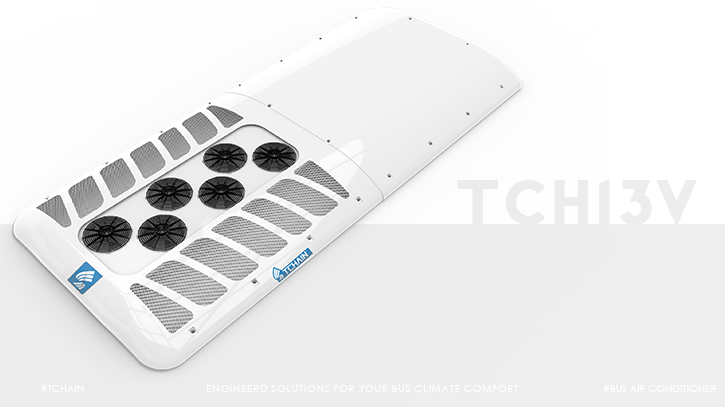
● Rooftop Air Conditioners: These are the most common in RVs. Installed on the roof, they save interior space and can cool larger areas efficiently. However, rooftop units are more exposed to the elements, which can lead to quicker wear and tear. Regular checks are necessary to ensure they remain sealed properly and free from debris.
● Undermount or Basement Air Conditioners: These systems are installed under the RV, typically providing quieter operation and better aerodynamics. While easier to install, these systems may face challenges related to water ingress and dust accumulation. Proper placement and periodic inspections are essential to prevent damage.
Tip: Know the type of AC system you have to follow the correct maintenance procedure. Refer to the manufacturer’s guidelines for specific maintenance needs.
Different types of RV air conditioners require specific maintenance practices. For instance, roof-mounted, non-ducted systems are more vulnerable to debris buildup. To maintain them, you’ll need to inspect the system’s shroud and cooling fins, clean the coils, and ensure the filters are free from dirt.
Regularly checking the seals and gaskets on these systems is crucial. If the seals are damaged or compressed, they can lead to leaks and reduced cooling efficiency. Make sure you regularly inspect and replace seals as necessary.
To keep your RV air conditioner running smoothly, it’s important to perform regular maintenance. This should be done at least twice a year—once before the summer season begins and once before winter storage. Regular maintenance ensures that your AC is in top shape, providing optimal cooling performance and preventing potential breakdowns.
Key tasks in the maintenance schedule include:
● Cleaning the air filter
● Inspecting and cleaning the coils
● Checking the gaskets for leaks
● Performing amp-draw tests to monitor power consumption
● Spring Maintenance: The first step in preparing your RV air conditioner for summer use is to check for any visible signs of wear. During this time, you should:
○ Inspect for debris and damage
○ Clean the inner coils
○ Replace gaskets and filters as needed
○ Clean and flush out any drain lines to prevent mold buildup
● Winter Care: Protecting your RV air conditioner during winter storage is equally important. Ensure that the unit is shielded from harsh weather by checking the integrity of the plastic cover. If you are storing your RV outdoors, a weatherproof cover can prevent exposure to snow, rain, or ice that might otherwise cause internal damage.
Basic tools needed for RV air conditioner maintenance are fairly simple and can be used for routine cleaning tasks:
● Screwdrivers and Nut Drivers: These are essential for removing covers and panels.
● Vacuum and Coil Cleaning Brushes: Used for cleaning dust, dirt, and debris from the coils.
● Soft-Bristle Brush: Helps clean the evaporator coils and condenser fins gently.
● Flashlight: Ideal for inspecting areas that are hard to see clearly.
Having these basic tools on hand will make maintenance easier and ensure you don’t miss any key components during your inspections.
For more complex issues, you’ll need advanced tools:
● Multimeter: Used for diagnosing electrical issues, including checking the current and voltage levels of your RV air conditioner.
● Refrigerant Gauge: Essential for checking refrigerant levels and identifying leaks. Make sure to have a professional technician handle refrigerant refills.
● Coil Fin Straightener: If your condenser fins are bent, this tool will help restore airflow efficiency.
Tip: Always perform basic inspections first before reaching for advanced tools. Many issues, like clogged filters or dirty coils, can be solved with simple maintenance.
The air filter is one of the most important components in maintaining the efficiency of your RV air conditioner. Dirty filters restrict airflow, causing the AC to overwork and reducing its cooling efficiency.
● Clean or Replace Filters: If your RV air conditioner has a reusable filter, clean it thoroughly every few months. If it’s a disposable filter, replace it regularly, especially before the peak season.
● Check for Mold and Mildew: If you live in a humid area, your filter may develop mold or mildew. Clean the filter with a mixture of vinegar and water to ensure better air quality.
Regularly clean the evaporator and condenser coils to keep your RV air conditioner operating at its best. The coils are responsible for transferring heat, so debris or dirt buildup can significantly reduce performance.
● Use a Soft Brush or Vacuum: Remove dirt from the coils and straighten any bent fins with a coil fin comb. Dirty or bent fins restrict airflow, decreasing cooling efficiency.
Maintenance Task | Frequency | Key Benefit |
Clean/Replace Air Filter | Every 3-6 months | Ensures smooth airflow and prevents icing |
Inspect/Replace Gaskets | Annually | Prevents water leaks and damage |
Clean Coils & Straighten Fins | Every 6 months | Maintains optimal cooling efficiency |
Some of the most common RV air conditioner issues include:
● Water Leaks: Often caused by clogged drain lines or damaged seals.
● Frozen Coils: This occurs when airflow is restricted due to dirty filters or low refrigerant.
● Weak Airflow: This can be a result of a dirty filter, blocked vents, or a faulty blower motor.
If you notice persistent issues like warm air blowing from the unit, strange noises, or water pooling inside the RV, it’s time to call a professional. Common signs that require expert help include refrigerant leaks, compressor malfunctions, and electrical issues.
Tip: For complex issues, always hire a professional RV technician to avoid causing further damage.
To get the most out of your RV air conditioner, be sure to use it properly:
● Pre-Cool the RV: Start the AC before the RV gets too hot to reduce the strain on the system.
● Park in the Shade: Whenever possible, park your RV in shaded areas to reduce the AC workload.
● Keep Vents Clear: Regularly inspect the vents and ducts to ensure that air can flow freely.
Make it a habit to inspect the RV air conditioner regularly. Look for signs of wear, such as cracked seals or worn-out gaskets. Clean the coils, straighten the fins, and replace the filters as part of your seasonal preparation.
Tip: Regular inspections and maintenance can extend the life of your RV air conditioner and prevent costly repairs down the line.
Maintaining your RV air conditioner is crucial for a comfortable trip. Regular inspections, cleaning, and proper storage ensure its long-lasting efficiency. For high-quality RV air conditioners, FOSHAN SHUNDE TAICHANG VEHICLE TECHNOLOGY CO., LTD. offers reliable solutions that enhance performance and provide energy efficiency, ensuring a cool and comfortable experience on the road.
A: An RV air conditioner is a system designed to cool the interior of your RV while parked or driving, ensuring comfort during hot weather conditions.
A: To maintain your RV air conditioner, clean the filters regularly, inspect the coils for dirt, and check the seals and gaskets for wear.
A: Regular maintenance ensures that your RV air conditioner runs efficiently, extends its lifespan, and avoids costly repairs.
A: Common issues include poor cooling, water leaks, and frozen coils, often due to dirty filters or blocked air vents.
A: Clean your RV air conditioner at least twice a year, ideally before and after the travel season, to keep it in good working condition.


