
丨
Phone: +86-139-2823-3177
Views: 0 Author: Site Editor Publish Time: 2026-03-16 Origin: Site


Transport air conditioning systems have evolved significantly over the years, progressing from basic mechanical designs to sophisticated digital control systems. This evolution has enhanced the efficiency, comfort, and environmental sustainability of HVAC systems in vehicles, whether buses, trains, trucks, or other forms of transport. The transition from mechanical systems to digital control has not only improved operational performance but also set the stage for the integration of smart technologies. This article explores the journey of transport HVAC systems, from their humble mechanical beginnings to the advanced digital solutions we rely on today.
In the early days of transport HVAC systems, particularly in buses and trains, climate control was a basic necessity, designed to provide comfort to passengers in varying climates. Early systems were mechanical, often utilizing simple fans, ducts, and manually controlled temperature settings. These systems were relatively rudimentary, with limited ability to adapt to changing environmental conditions, and required constant attention from drivers or conductors.
The earliest forms of HVAC in vehicles were crude, relying on heat exchangers and ventilation systems. The primary goal was simply to make passengers comfortable by circulating air and controlling the internal temperature. These systems were often inefficient and could not provide the level of comfort or energy efficiency that modern systems offer today.
As transportation systems grew in size and scope, so did the demands placed on their HVAC systems. The limitations of early mechanical systems became apparent, particularly with the increasing size of buses and trains and the higher expectations for comfort from passengers. Moreover, the efficiency of these systems, both in terms of energy use and cooling/heating performance, was insufficient for modern transportation needs.
As technology advanced, the need for more efficient, reliable, and automated systems became evident. This drove the development of electronic components and digital controls that would replace mechanical systems, offering greater precision and energy savings.
Early transport HVAC systems were purely mechanical, with temperature control relying on manually adjusted vents, basic thermostats, and simple fans. The most basic systems used a mixture of heating and cooling techniques, depending on the climate and the vehicle’s design. For example, in trains and buses, heating was often provided by hot water or steam passing through pipes or radiators. Cooling was typically achieved by drawing in air from the outside, which was then circulated through the vehicle’s cabin.
In these systems, the driver or operator would manually adjust the flow of air to maintain comfort levels. However, these early systems had significant limitations in terms of their ability to efficiently regulate temperatures or adapt to rapidly changing conditions.
While mechanical systems served their purpose, they had several key limitations:
Limited control: Passengers and operators had limited ability to fine-tune temperature settings, resulting in discomfort during extreme weather conditions.
Inefficiency: Mechanical HVAC systems used a lot of energy, particularly when regulating temperatures in larger vehicles. The lack of optimization led to higher energy consumption.
Maintenance challenges: Mechanical components were prone to wear and tear, resulting in frequent maintenance needs. Over time, this could lead to system failures and increased operational costs.
These limitations highlighted the need for more advanced, automated systems capable of adjusting to changing conditions with greater precision.
As the need for more efficient systems grew, electronic components began to replace mechanical systems in transport HVAC units. The first significant change was the introduction of thermostats and sensors, which allowed for more precise temperature control. These components were often integrated into the system to automatically adjust the air conditioning and heating based on the temperature readings, providing a much more consistent level of comfort for passengers.
With electronic systems, the need for manual adjustment was reduced, and the HVAC systems became capable of maintaining a more constant, comfortable temperature within the vehicle. Additionally, sensors could now detect fluctuations in temperature and make real-time adjustments, leading to improvements in overall system efficiency.
The transition to electronic controls brought several advantages:
Improved temperature regulation: Electronic systems allowed for finer control over temperature, improving passenger comfort.
Increased energy efficiency: Electronic systems could adjust energy use more precisely, reducing waste and improving fuel efficiency in buses and trucks.
Better reliability: With fewer moving parts, electronic systems were less prone to mechanical failures, leading to more reliable operation.
These advantages made electronic control systems a valuable upgrade for modern transport air conditioning.
The introduction of sensors marked a major turning point in the evolution of transport HVAC systems. Sensors were used to monitor temperature, humidity, air quality, and even the presence of passengers. These sensors allowed HVAC systems to adjust to the needs of the vehicle automatically, ensuring that temperatures were maintained within an optimal range without the need for manual intervention.
For example, in buses, temperature sensors could detect if the vehicle was carrying a large number of passengers and adjust the cooling power accordingly. Similarly, air quality sensors could monitor the CO2 levels and adjust ventilation to ensure the air inside the vehicle remained fresh.
Automation took HVAC systems a step further by enabling them to adapt to changing conditions. The combination of sensors and automated control systems meant that the HVAC unit could not only maintain a stable temperature but also react dynamically to changes in the environment.
For example, automated systems could respond to external weather conditions (e.g., an increase in outside temperature) by adjusting the cooling or heating settings without human input. This level of automation greatly improved energy efficiency, as the system could operate at varying levels of intensity depending on the need.
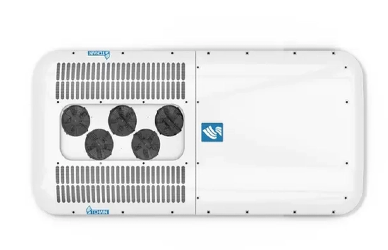
The shift to digital control systems represented a significant leap in the development of transport HVAC technology. These systems utilized microprocessors and digital control units to manage the operation of HVAC systems in real-time, offering precise control over every aspect of the system’s functionality.
Digital control systems use algorithms to process data from sensors and make decisions about how to adjust the HVAC system. These systems can dynamically control temperature, humidity, airflow, and energy consumption to maximize efficiency and passenger comfort.
Some key features of modern digital HVAC systems include:
Real-time monitoring and adjustment: Digital systems continuously monitor and adjust system performance, ensuring consistent comfort.
Enhanced energy efficiency: Digital systems can optimize energy consumption based on current needs, reducing wasted energy and improving overall system performance.
Remote control and diagnostics: Many digital HVAC systems offer the ability to control and diagnose issues remotely, improving convenience and reducing maintenance time.
These advancements make digital control HVAC systems ideal for modern transport fleets, which require higher levels of performance and efficiency.
The rise of the Internet of Things (IoT) has allowed transport HVAC systems to become even smarter. IoT integration enables HVAC systems to connect to the internet, allowing fleet managers to monitor and control the systems remotely. This connectivity provides real-time data on system performance, allowing for proactive maintenance and immediate troubleshooting.
With IoT, HVAC systems can communicate with other vehicle systems, providing a seamless experience for both the operator and passengers. For instance, a bus's HVAC system can receive signals from the vehicle’s GPS to adjust the temperature based on the location and weather conditions.
The ability to collect real-time data from HVAC systems has revolutionized how transport fleets manage their climate control systems. By using data analytics, fleet managers can predict when maintenance is needed before a failure occurs. Predictive maintenance helps reduce unplanned downtime and lowers maintenance costs by addressing issues before they become critical.
This shift towards data-driven maintenance is making transport HVAC systems more reliable and cost-effective than ever before.
Early mechanical systems lacked precision in temperature control and were inefficient in energy use. They also required constant manual adjustments, which led to higher maintenance needs.
Digital control systems optimize energy consumption by adjusting the HVAC operation in real-time based on the vehicle's conditions, reducing wasted energy and ensuring better temperature regulation.
Sensors monitor temperature, humidity, and air quality, enabling HVAC systems to automatically adjust to changing conditions, improving comfort and system efficiency without manual input.
IoT integration allows HVAC systems to communicate remotely, providing real-time data and diagnostics. This enhances control, efficiency, and predictive maintenance, reducing operational downtime and costs.
 Conclusion
Looking ahead, the future of transport HVAC systems is closely tied to ongoing innovations in smart technology and sustainability. With an increased emphasis on reducing carbon emissions and energy consumption, the HVAC systems of tomorrow will be more energy-efficient and environmentally friendly. The integration of smart controls, IoT, and advanced digital technology will continue to improve system efficiency and passenger comfort, driving the future of HVAC systems in transport. As the industry moves toward greater sustainability and efficiency, we can expect continued advancements in refrigerants, energy-saving technologies, and automation. Future systems will likely focus on reducing their environmental footprint even further, incorporating renewable energy sources and more sustainable refrigerants to replace older, environmentally harmful options. The road ahead for transport HVAC systems looks promising, with digital control and smart technologies leading the way toward a more efficient, comfortable, and eco-friendly future.


